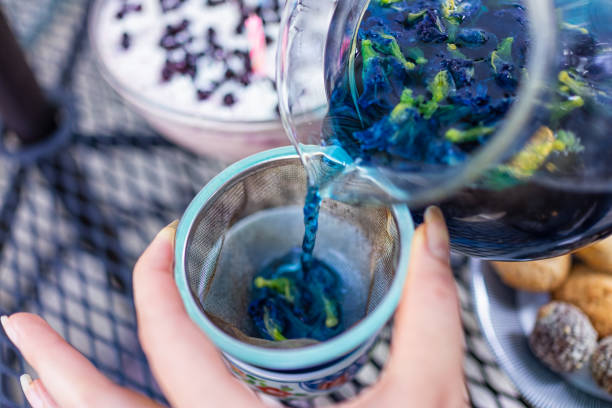
So you made the switch to loose-leaf tea. Good call. But if your first few cups came out bitter, flat, or weirdly astringent (making your mouth feel dry), the tea probably isn't the problem.
The steeping process has more nuance than most people expect, and small slip-ups can wreck an otherwise outstanding leaf. Here are ten mistakes worth fixing.
1. Incorrect Tea-to-Water Ratio
This mistake trips people up more than anything else. Too many tea leaves and the cup turns into an overpowering, tannic mess. Too few? You're basically drinking hot water with a suggestion of flavor.
A reasonable starting point: one teaspoon of leaves per eight ounces of water. But that ratio shifts depending on the tea. A fluffy herbal tea blend takes up far more space than a tightly rolled oolong, so measuring by volume alone can be misleading. Grabbing a small kitchen scale helps a lot more than you'd think.
A ScienceDirect study found that pH and tea-water ratios directly impact catechin extraction rates in green tea.
Translation? Getting this ratio right doesn't just improve taste; it also enhances the overall experience. It affects the maximum health benefits you're drinking tea for in the first place.
Start with the recommended amount for your tea type. Then adjust to your personal taste from there.
2. Improper Steeping Time
Ever wondered what happens if you steep tea too long? One word: tannins.
Tannins are the compounds responsible for that dry, puckering sensation in your mouth. Every tea contains them, but prolonged steeping pulls out higher concentrations than your palate can handle. A delicate green tea left sitting for seven minutes doesn't get "stronger." It gets harsh and bitter.
Here's a rough tea steeping time guide that generally works:
|
Tea type |
Time |
Temperature |
|
Green tea |
1 minute |
175 degrees |
|
Black tea (including English breakfast) |
2 minutes 45 seconds |
195 degrees |
|
White tea |
2 minutes |
175 degrees |
|
Oolong tea |
2 minutes 30 seconds |
185 degrees |
|
Herbal tea |
4 minutes |
203 degrees |
These aren't rigid rules. But the real takeaway? Once the timer goes off, pull the leaves out. If leaves remain soaking in your cup or pot, extraction keeps going whether you're paying attention or not. That's how a perfect brew turns into something nobody wants to finish.
3. Brewing with Incorrect Water Temperature
This one quietly ruins more cups than people realize. Most of us just boil the kettle, pour it over whatever we're steeping, and move on. That approach works fine for most loose-leaf black teas and herbal blends. It does not work for green tea or white tea.
Boiling water (212°F) basically scorches delicate leaves. Instead of a light, fresh cup, you end up with a bitter taste and none of the subtlety you paid for.
Quick temperature reference:
- Green tea: 175°F
- White tea: 175°F
- Oolong: 185°F
- Black tea: 195°F
- Herbal tea: 203°F
No variable temperature kettle? Not a problem. Just let the boiling water rest for 2 to 3 minutes before pouring. Simple fix. This will make a significant difference in the cup.
4. Choosing the Wrong Tea Infuser
Not all infusers deserve your trust. Do you trust those tiny clamping mesh balls? They're the worst option for loose-leaf teas, honestly. The leaves need space to unfurl and expand; that's how you extract the best flavor and aroma.
It’s like cooking pasta in a pot that's way too small. Everything clumps together and cooks unevenly. The same thing happens when tea leaves get crammed into a restrictive little ball.
A basket-style infuser that sits inside your cup or pot gives the leaves room to breathe and move. The whole loose leaf vs. tea bag difference comes down to this exact principle: giving the leaf enough space to do its thing properly.
5. Re-Steeping Tea Leaves the Wrong Way
This phenomenon surprises many newer tea drinkers. Quality leaves can absolutely be steeped multiple times. Some oolong loose-leaf tea varieties are specifically designed for it, revealing different layers of flavor with each subsequent brew.
But there's a catch. Should you leave the same leaves in cold water for hours between steeps? That's a recipe for stale, flat tea at best. Bacterial growth at worst.
The better approach:
- Re-steep fairly soon after your first cup
- Add about 30 seconds to a minute of extra steep time for each round
- If you're done for the day, toss the leaves (don't try saving them overnight)
Fresh leaves, timely steeping, and gradual time increases. That's the formula.
6. Poor Loose Leaf Tea Storage Practices
Tea is more sensitive than most people give it credit for. Light, heat, moisture, and strong odors all break down leaf teas faster than you'd expect. Is that adorable glass container sitting on the counter next to your stove? It's quietly destroying your tea.
Store your leaves in an airtight, opaque container in a cool, well-ventilated area, away from your cooking area. Steam and aroma from whatever dish you're making tonight will seep into improperly stored tea, muddying the flavor profile.
When your blends are crafted with all-natural ingredients and zero preservatives (Nelson's Tea takes this approach with every product), proper storage matters even more. There's nothing artificial keeping those leaves fresh, so the container has to do the work.
7. Consuming Tea Before It Cools Properly
You're half-awake. The kettle just clicked off. You want that cup now. Fair enough, but hear this out first.
Sipping tea that's too hot isn't just uncomfortable; it's dangerous. It may actually carry health risks. The World Health Organization's International Agency for Research on Cancer (IARC) classified drinking beverages above 149°F (65°C) as "probably carcinogenic," particularly for esophageal cancer risk.
That's not meant to scare you away from your morning ritual. But letting your cup cool to a comfortable point before that first sip is worth the patience.
Short on patience? Pour your hot tea over ice for a quick iced tea. Or transfer it to a wider glass or mug; more surface area means faster cooling. Both options work well.
8. Overlooking the Importance of Water Quality
Your tea is roughly 99% water. So water quality affects the final product more than most people expect.
Heavily chlorinated tap water imparts off-flavors that mask the tea's natural taste. Hard water with high mineral content can make everything taste flat or chalky. The solution? One solution is to use filtered water or spring water. Nothing fancy required. A basic Brita pitcher handles the job.
One thing to avoid, though: distilled water. It strips out all minerals, which sounds clean but produces tea that tastes oddly hollow. You want some mineral content in there. You don't want sediment and chlorine in your cup's water.
9. Avoiding Exploration of Different Tea Varieties
This one's less about technique and more about mindset. Many people find one tea they enjoy and never look beyond it. There is nothing wrong with having a favorite tea. But you're probably missing out on some things you'd enjoy even more.
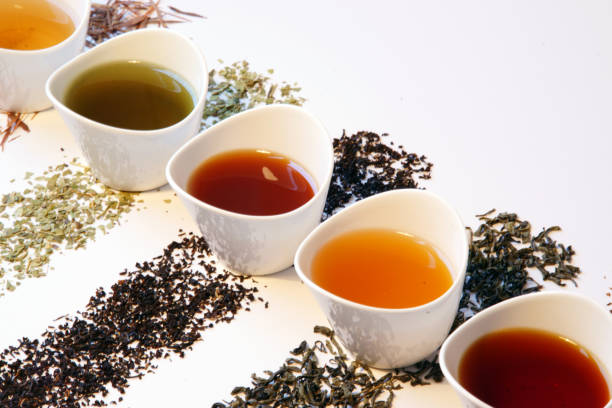
The world of different types of tea is genuinely enormous. If you've only ever had a basic green tea, you haven't experienced what a roasted oolong or a floral white tea can bring to the table.
If you love black tea but have never tried a cold-brewed version (steeped in cold water for several hours in the fridge), brace yourself. It's smoother, naturally sweeter, and leaves behind more caffeine and more tannins than the hot version. But like most things, everything should be in moderation.
Tea sampler packs exist for exactly this reason. They let you try a bit of everything without committing to a full bag of something you're unsure about. It's a low-risk way to figure out what actually tastes good to you.
The best tea for digestion might be completely different from what you'd pick for an afternoon energy boost. That's the whole beauty of having options.
10. Assuming Loose-Leaf Tea Is Difficult to Prepare
This assumption holds more people back than any brewing mistake ever could. There's a perception that loose-leaf tea requires a whole ceremony: special equipment, precise timing, and years of practice. That's just not true.
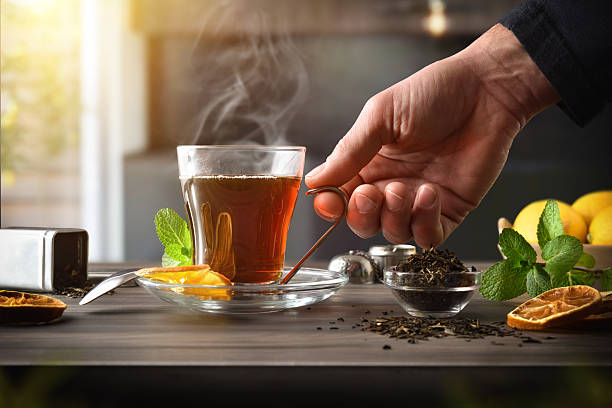
The three key elements of brewing tea are quantity, time, and temperature. Get those in the right ballpark for your tea type, and you'll produce a cup that outperforms anything from a tea bag. You don't need a $200 tea set. All you need is a basic infuser, a kettle, and a mug. That's the full setup.
Paying a little bit of attention to what you're doing usually makes the difference between a mediocre cup and a perfect cup. You only need a bit of curiosity and a willingness to experiment.
Final Thoughts
With these fixes, steeping your tea isn't complicated. Adjust your water temperature. Watch your steep time. Give the leaves room. Store them properly. Use decent water. And let the cup cool before you drink it. Start with loose-leaf black teas you've been eyeing, or try something totally new. Your next brew is about to be noticeably better.
These statements have not been evaluated by the Food and Drug Administration. This product is not intended to diagnose, treat, cure, or prevent any disease.