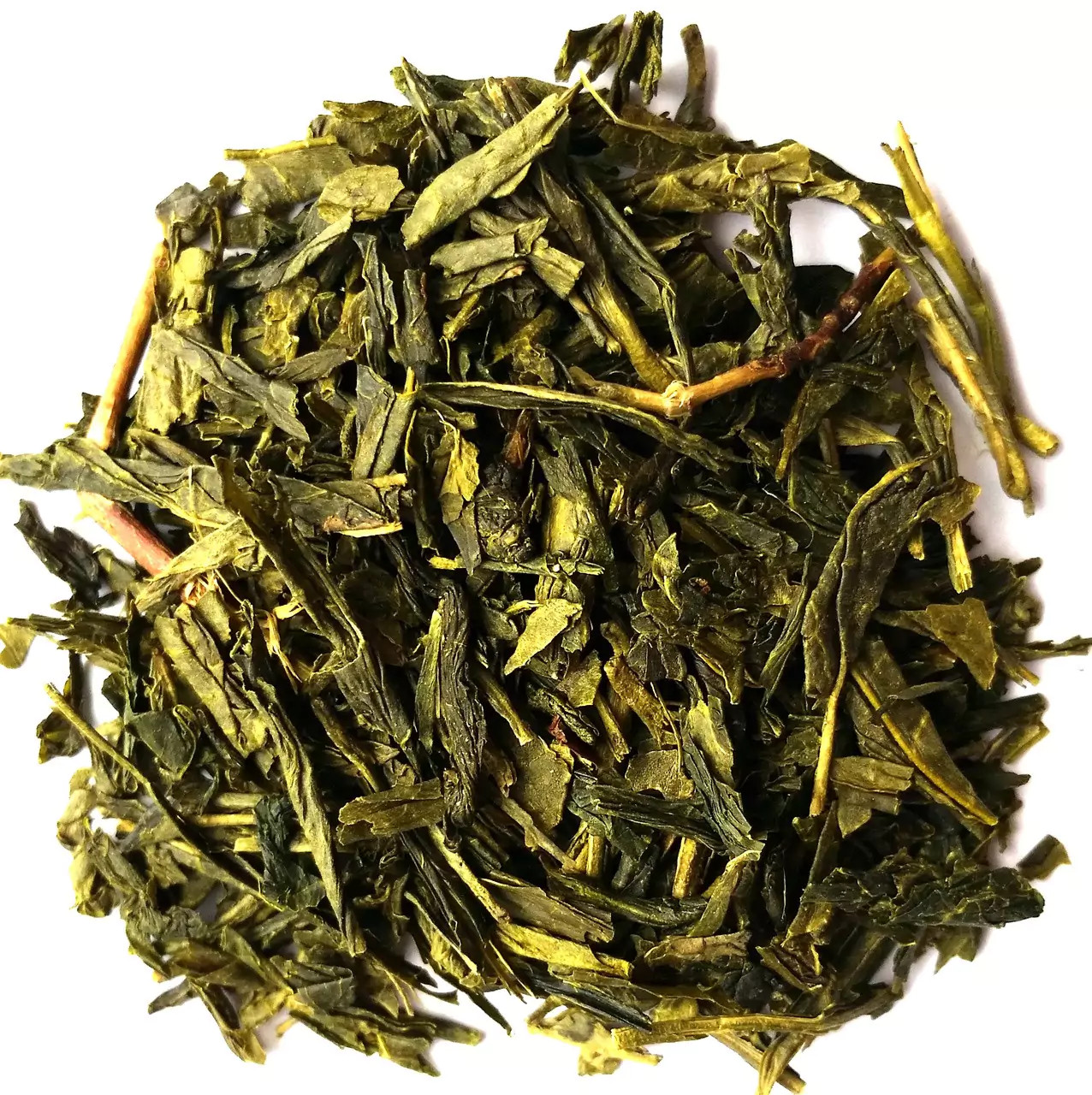
Green tea comes from the Camellia sinensis plant and is minimally oxidized compared to black tea, which keeps those active compounds intact from leaf to cup. The most studied are catechins, a group of plant-based polyphenols, and the one that gets the most attention in skin research is epigallocatechin-3-gallate, better known as EGCG.
According to a 2024 review published in Antioxidants, EGCG accounts for 50-80% of the total catechin content in green tea and has the strongest biological activity of all the catechins.
That concentration is a big part of why researchers keep returning to green tea when studying what you drink and how your skin looks.
1. Calmer-Looking Redness
Green tea may help reduce skin irritation. The catechins in green tea, particularly EGCG, have documented anti-inflammatory properties that may support a calmer, less reactive-looking complexion over time, especially for skin types prone to visible redness after environmental exposure.
2. Balanced Oiliness
EGCG has been studied for its potential to reduce sebum production, the skin's natural oil. A consistent green tea habit may be one small piece of a broader routine for those whose skin becomes shiny by midday.
3. Clearer-Looking Pores
When oil production is better balanced and antioxidants address environmental stress, the overall appearance of the skin tends to follow. Green tea does not shrink pores, but a healthier complexion often looks fresher and more even.
4. Brighter Skin Tone
EGCG has been studied for its potential effects on dullness linked to oxidative stress. Replacing a sugary afternoon drink with a cup of unsweetened green loose-leaf tea is a simple daily swap that supports both hydration and consistent antioxidant intake.
5. Puffiness Support
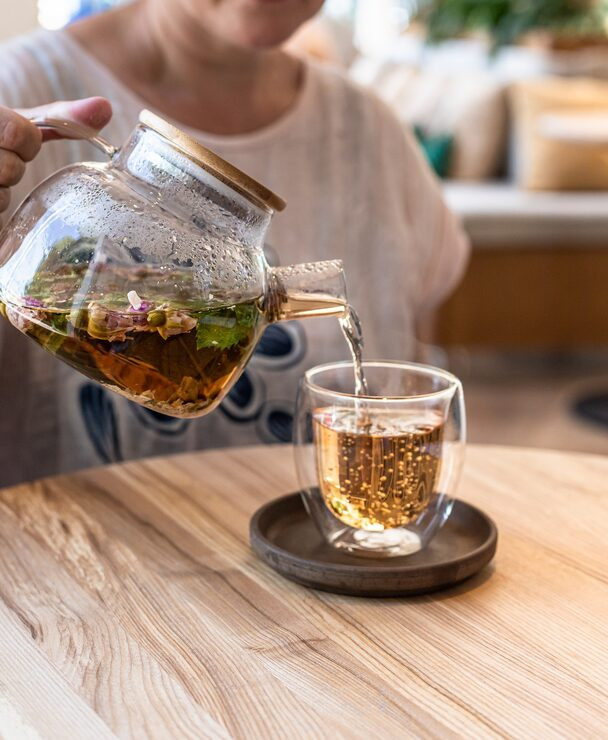
The naturally occurring caffeine in green tea may temporarily reduce the appearance of puffiness, particularly around the eyes. Drinking green tea also contributes to overall fluid intake, which supports a more refreshed appearance throughout the day.
6. Hydration Habits
Unsweetened green tea contributes to daily fluid intake without the added sugar found in most flavored drinks. Making bulk loose-leaf tea part of your morning or afternoon routine adds both hydration and antioxidants in a single habit.
7. Skin Barrier Support
Antioxidants help neutralize free radicals, unstable molecules that degrade the skin's natural barrier over time. Green tea's catechin profile supports the barrier's ability to retain moisture and resist environmental stress, resulting in skin that looks plumper and less dry.
8. Aging Appearance
Research has explored EGCG's role in protecting skin fibroblasts from UV-induced damage, a key driver of the visible signs of aging. Consistent antioxidant intake through drink is one way to support the skin's natural defenses over time.
9. Scalp Comfort
Green tea is sometimes used in hair and scalp care products for its soothing properties. The same anti-inflammatory characteristics that make it useful for facial skin may also support a calmer scalp environment.
10. Wellness Rituals
Chronic stress shows up on the skin. A consistent tea ritual, whether a quiet cup in the morning or a wind-down brew in the afternoon, can be a simple anchor for stress management. Skin benefits linked to stress reduction are indirect but real.
As board-certified dermatologist Dr. Cynthia Bailey notes on her published skincare platform: "Of the different green tea antioxidant polyphenol compounds, you want epigallocatechin-3-gallate (EGCG). This type is the one shown to have the most beneficial health effects on skin."
How to Use Green Tea in a Skin-Friendly Routine
There are several ways to bring green tea into a skin-focused routine, from what you drink to what you apply. Here is how the main options compare.
|
Approach |
What to Know |
|
Green tea products |
Cleansers, toners, serums, and moisturizers may include green tea extract. Look for products that list it near the top of the ingredient deck. |
|
DIY caution |
Homemade masks or toners can irritate skin if stored improperly or used at the wrong concentration. Freshly brewed and cooled tea used immediately is at lower risk. |
|
Patch testing |
Always test a new green tea skincare product on a small area first, especially if your skin is sensitive. |
Teas That Pair Well With a Skin-Focused Routine
Green tea is the standout for antioxidant content, but building a consistent daily ritual matters as much as which tea you choose. Nelson's Tea offers a range of loose-leaf options worth exploring.
|
Tea Type |
What It Brings |
Example |
|
Green loose-leaf tea |
Primary source of EGCG and catechins |
Sencha Green Tea, Moroccan Mint Green Tea |
|
Herbal blends |
Caffeine-free hydration and relaxation support |
Chamomile Honey Vanilla, Lemon Ginger Mint |
|
Fruit-forward blends |
Flavorful hydration; easier to reach for than sugary drinks |
Ginger Orange Peach, Mango Mint Peach |
Herbal and fruit blends do not provide the same catechin profile as green tea, but they support hydration habits and make it easier to reach for tea instead of sweetened alternatives throughout the day. Browse the full range at Nelson's Tea to find blends that fit your routine.
Conclusion
Green tea's case for skin health is built on real research and a compound, EGCG, that scientists keep returning to. Drinking it consistently, brewed at 175°F for 1 minute, contributes to antioxidant intake, hydration, and a calmer daily routine. None of that replaces a solid skincare routine or professional advice, but as a daily habit, it adds up.
Frequently Asked Questions About Green Tea and Skin
Is green tea good for your skin?
Green tea may support skin health through its antioxidant, hydrating, and soothing properties. EGCG is the most studied catechin for skin benefits, but results depend on consistency, lifestyle, and individual skin type.
Does drinking green tea help acne?
It may support overall skin wellness, and EGCG has been studied for its potential to reduce sebum and calm inflammation. It should not replace acne treatment or dermatologist advice.
Can green tea reduce puffiness?
Caffeine in green tea may temporarily reduce the look of puffiness, especially when applied topically. Drinking it also supports hydration, which contributes to a fresher overall appearance.
How often should you drink green tea for skin benefits?
Many people enjoy one to three cups daily, depending on their caffeine tolerance. Brew at 175°F for 1 minute for best results. Consistency matters more than quantity.
Is loose-leaf green tea better for skin?
Loose-leaf green tea may offer better flavor and a more engaging routine than tea bags. Skin benefits depend on quality, preparation, and consistency. A ritual you enjoy is one you will keep.
These statements have not been evaluated by the Food and Drug Administration. This product is not intended to diagnose, treat, cure, or prevent any disease.