
If you're searching for the best tea to drink before bed, look for something caffeine-free, low in sugar, and built around herbs that are traditionally associated with relaxation. Chamomile, lavender, and lemon balm are the usual starting points; however, each brings a slightly different flavor and intensity to the cup.
It's best to set the expectations early. While tea can support a calming bedtime routine, it isn't a cure for insomnia or a substitute for treating a diagnosed sleep disorder.
Think of the right bedtime tea as one small piece of a wind-down routine, not a guaranteed fix on its own. Pair it with your other evening habits to help signal to your body that the day is winding down.
What Makes a Tea Suitable Before Bed
A few simple characteristics separate a genuinely good bedtime tea from one that fights against your evening routine. Getting these basics right matters more than chasing a specific trendy blend.
Naturally Caffeine-Free
Caffeine is the most obvious thing to avoid before sleep, since it's a stimulant that can delay sleep onset and reduce total sleep time. Herbal teas, technically called tisanes, are naturally caffeine-free since they're brewed from herbs, flowers, or roots rather than the Camellia sinensis plant.
While true teas—meaning black, green, white, and oolong—all come from that same plant and contain some caffeine, even the lighter-tasting ones do. That's an easy detail to miss when a tea is marketed with calming packaging or a soothing claim.
Checking the ingredient list rather than the product name is the simplest way to avoid an accidental caffeine surprise right before bed.
Calming Herbal Ingredients
Chamomile, lavender, lemon balm, valerian, and passionflower are the herbs that show up most often in bedtime blends. Each has a slightly different flavor and intensity, which is worth exploring before settling on a favorite.
Many bedtime blends combine two or three of these herbs, which can soften any single herb's stronger flavor while still preserving the cup's calming intent.
Simple, Low-Sugar Blends
Sweeteners, rich dessert-style add-ins, or bottled sweetened teas can work against a calm bedtime routine. That's partly due to sugar's effect on energy and partly because the ritual itself starts to feel more like a treat than a wind-down.
A plain, simply brewed cup tends to serve the routine better than something dressed up with extra flavoring. It’s best to save the dessert-style blends for daytime instead.
Caffeine's effects on sleep are well documented. A study published in the Journal of Clinical Sleep Medicine and hosted on PubMed Central found that caffeine taken even 6 hours before bedtime had measurable effects on sleep.
Never assume that a cup of coffee in the afternoon won't affect your sleep; this study lends credence to the advice to cut back on caffeine at least a few hours before you intend to turn in for the night.
Best Teas Before Bed: Top Herbal Options
These five herbal teas appear most consistently in bedtime routines, though the strength of the research behind each varies quite a bit.
Chamomile Tea
Chamomile is the classic first choice for a gentle bedtime tea, known for its mild, apple-like flavor. Evidence for its effect on sleep is mixed.
According to a study published on PubMed on the effects of chamomile on sleep, "Chamomile improved sleep, especially the number of awakenings after sleep or staying asleep; however, it did not lead to an improvement in the duration of sleep, percentage of sleep efficiency, and daytime functioning measures."
That doesn't mean chamomile is a bad choice. It's simply worth drinking for the ritual and mild taste rather than expecting a guaranteed effect on your sleep.
Lavender Tea
Lavender brings a floral aroma to the cup and is often included in nighttime rituals for its scent as much as its taste. It pairs well with chamomile in blended teas, and its aroma alone is often part of the calming effect people notice.
Lemon Balm Tea
Lemon balm offers a mild, bright flavor that's easy to drink even for people who don't usually enjoy herbal tea. It's a gentle option worth trying before reaching for something stronger. It also blends well if you want to build your own custom mix.
Valerian Root Tea
Valerian has a noticeably earthier, stronger taste than the other herbs on this list, and it's not everyone’s cup of tea, well, flavor-wise.
Some people use it specifically for a more pronounced relaxation effect, though research on its effectiveness has produced inconsistent results across studies, and it isn't considered a reliably demonstrated treatment for sleep problems.
Passionflower Tea
Passionflower is another herb commonly included in sleep-focused blends, often paired with chamomile or lemon balm rather than brewed alone.
Its flavor is mild enough to blend easily with other ingredients without overpowering the rest of the cup, which makes it a low-risk addition if you're building a custom bedtime mix.
Other Nighttime Teas Worth Considering
While a few other options don't fit the traditional "sleep tea" label, they can still work well in an evening routine. Let’s explore these:
Peppermint or Spearmint
Both are caffeine-free and offer a refreshing, digestive-friendly cup after dinner. Some people with acid reflux find that mint can worsen symptoms, so it's worth paying attention to how your body responds before making it a nightly habit.
Rooibos Tea
Rooibos is naturally caffeine-free and has a fuller body than most herbal teas. That makes it a suitable option for anyone who wants something closer to the experience of black tea without the caffeine.
If you're curious how rooibos stacks up nutritionally against your morning cup, this breakdown of black tea vs coffee is a useful comparison point, even though rooibos itself isn't a true tea.
Ginger or Turmeric Tea
While both ginger and turmeric tea offer warming, soothing qualities that suit a cooler evening, neither should be oversold as a sleep aid. They're better framed as comforting rather than sedating, which still has real value in a wind-down routine.
Teas to Avoid Before Bed
Even though the tea seems harmless, a couple of typical errors subtly ruin an otherwise excellent nighttime routine.
Black, Green, White, and Oolong Tea
These true teas usually contain caffeine, even the ones marketed as light, healthy, or gentle. A standard 8-ounce cup of green tea contains roughly 37 milligrams of caffeine, and black tea often contains more, so neither is a safe bedtime default despite their mild flavors.
Decaffeinated versions of these teas still contain trace amounts of caffeine, too, since decaffeination removes most, not all, of it. That small residual amount is usually fine, but it's worth knowing if you're especially sensitive.
Sugary or Bottled Teas
Bottled iced teas and heavily sweetened blends often carry more sugar and caffeine than people expect from a single serving. Reading the label matters more than the marketing on the front of the bottle.
Some bottled "relaxation" teas also add melatonin or other ingredients in doses that aren't always clearly labeled, so it's worth checking the label before making one a nightly habit.
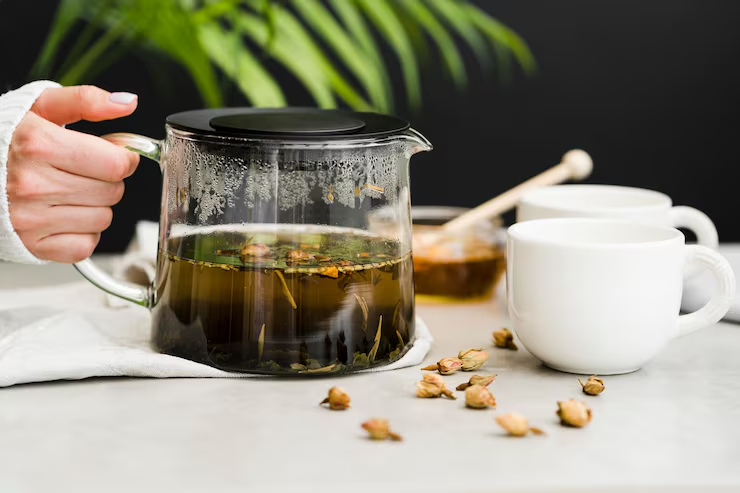
How to Drink Tea Before Bed
A simple, repeatable routine matters more than picking the "perfect" tea, especially once you've found a blend you actually enjoy.
Timing and Amount
Drink your tea about 30 to 60 minutes before bed, giving yourself time to finish the cup and use the bathroom before lying down. One moderate serving is plenty. The more fluids you drink in the evening, the more likely you are to wake up during the night, so it's best to avoid doing so if you can.
Steeping and Serving
Follow the package instructions for your specific blend, since steeping times vary by herb. Most herbal teas do well with 4 minutes, while some root-based blends like valerian benefit from a longer steep to fully draw out their flavor.
Water temperature matters less for herbal blends than for green or white tea, so you generally don't need to worry about scalding the leaves the way you might with more delicate true teas.
Pairing With Routine
Tea works best when paired with another low-stimulation habit, such as reading, gentle stretching, or simply stepping away from screens for a while. The ritual around the cup often matters as much as what's in it.
Dimming the lights while you drink your tea can help reinforce the signal to your body that bedtime is approaching, even if it seems simple.
Safety Notes and Personal Factors
Herbal teas aren't automatically risk-free for everyone, particularly in concentrated forms or supplement doses rather than a standard cup. It's worth reading this section even if you feel confident about your general health.
Pregnant people, those breastfeeding, those taking sedative medications, or those managing other prescriptions should talk to a healthcare professional before adding stronger herbs like valerian or passionflower to their routine. Chamomile can also trigger allergic reactions in people sensitive to ragweed or related plants.
These cautions apply mainly to concentrated extracts and supplements rather than a single cup of weak tea, but it's still worth checking with a provider if you're combining herbs with existing medications.
Dr. Marishka Brown, a sleep expert at the National Institutes of Health, explains that "insomnia is when you have repeated difficulty getting to sleep and staying asleep."
That's a specific, diagnosable condition, not something a nightly cup of tea is designed to treat on its own.
If you're dealing with persistent insomnia, loud snoring, or ongoing daytime sleepiness, those are signs worth bringing to a doctor rather than trying to solve with more bedtime tea. A sleep specialist can help determine whether something beyond lifestyle adjustments is needed.
How to Choose the Best Tea Before Bed for You
Start with a simple tea before trying stronger herbal blends, especially if you're new to bedtime tea.
Chamomile or lemon balm is a gentle starting point if you're new to bedtime tea. Choose lavender if aroma matters most to you, rooibos if you want a fuller-bodied cup, and valerian only if a milder option hasn't worked and you've confirmed it's appropriate for your situation.
Track how each tea affects your comfort, nighttime bathroom trips, and overall sleep routine over a week or two rather than judging after a single cup. Small, consistent habits tend to reveal more than any one night ever will.
Everyone responds a little differently, and Nelson's Tea offers a full range of caffeine-free loose-leaf tea options if you want to sample a few side by side before settling on a nightly favorite.
Find Your Perfect Bedtime Tea for a Calmer Night
A good bedtime tea routine includes caffeine-free ingredients, a simple low-sugar blend, and consistent timing in your evening. None of it needs to be complicated to work.
Start with something gentle like chamomile or lemon balm, pay attention to how your body responds, and build from there as you learn what actually helps you unwind.
If you're also shopping for someone else's nightstand, this list of best gifts for tea lovers is worth checking out before the holidays roll around.
Whatever you land on, a calmer cup before bed is a small, easy habit worth keeping, even if it's just one piece of a much bigger wind-down routine.
Frequently Asked Questions
What is the best tea before bed?
Chamomile is the most common starting point thanks to its mild flavor and long tradition of nighttime use, though lavender, lemon balm, and passionflower are all reasonable alternatives depending on your taste.
Does bedtime tea actually help you sleep?
Evidence is mixed and generally modest. Tea may support a calming routine, but it isn't a proven treatment for insomnia or other diagnosed sleep disorders, so treat it as a helpful habit rather than a cure.
Can I drink green tea before bed?
It's not the best choice. Green tea contains real caffeine, roughly 37 milligrams per 8-ounce cup, which can interfere with falling asleep for many people, even if the flavor feels light and gentle.
How many cups of tea should I drink before bed?
One moderate cup is usually enough. Drinking several cups close to bedtime mainly increases the odds of waking up to use the bathroom rather than improving how relaxed you feel.
How long before bed should I drink tea?
Somewhere between 30 and 60 minutes before bed works well for most people, giving you time to finish the cup, use the bathroom, and settle into the rest of your wind-down routine.
These statements have not been evaluated by the Food and Drug Administration. This product is not intended to diagnose, treat, cure, or prevent any disease.