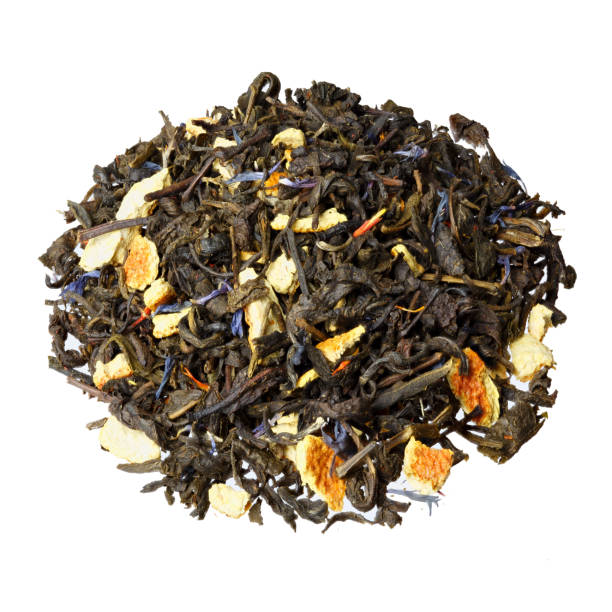
Earl Grey and Lady Grey are both popular bergamot-flavored tea blends, but they're not the same drink. If you've ever stood in front of a tea shelf wondering what the actual difference between Earl Grey and Lady Grey is, you're not alone. Both carry a legacy of history, tradition, and elegance.
Here's what sets them apart and which one belongs in your cup.
What Is Earl Grey Tea?
Earl Grey tea is named after Charles Grey, a 19th-century British prime minister and the second Earl Grey.
The earliest reference to bergamot-flavored tea dates back to 1824, and one legend claims a Chinese mandarin presented the blend to Charles Grey after a member of his party saved the mandarin's son from drowning. Whether that story holds up or not, the tea certainly does.
At its core, Earl Grey is typically made from black tea (often a robust variety like Assam or Darjeeling) infused with bergamot oil, which gives it its distinctive flavor. That bergamot oil is extracted from the rind of the bergamot orange, a citrus fruit grown primarily in southern Italy.
The result? A bold, aromatic cup with sharp, citrusy notes that hit right away.
Properties of Earl Grey Tea
The flavor profile of Earl Grey tea is characterized by strong, robust bergamot up front with a smooth finish from the black tea base underneath. It's become synonymous with sophistication, and for good reason. The harmonious blend of vibrant citrus and a robust tea base is unparalleled.
Over time, Earl Grey has expanded well beyond the classic blend. You'll now find versions built on green tea, oolong, and even caffeine-free loose-leaf tea bases.
Some variations, often called Empress Grey (or Madame Grey), add lavender, vanilla, or other floral elements. Many tea purveyors offer similar twists on the classic Earl Grey blend. But the original keeps bergamot front and center.
Earl Grey can be enjoyed on its own or with a splash of milk and sugar. It's also the foundation of the London Fog latte, made with steamed milk and a touch of sweetener. If you enjoy what is English breakfast tea but want something with a citrus edge, Earl Grey is the natural next step. Earl Grey has become synonymous with sophistication and elegance for good reason.
What Is Lady Grey Tea?
Lady Grey tea is a trademarked variation of Earl Grey created by Twinings in the early 1990s. It's named after Mary Elizabeth Grey, the wife of Charles Grey. Where Earl Grey leans bold and bergamot-heavy, Lady Grey was designed to offer a lighter, more delicate take on the original blend.
The main difference between Earl Grey and Lady Grey is that Lady Grey contains lemon peel and orange peel in addition to bergamot. It also uses less bergamot than its counterpart, making it a milder option overall.
Lady Grey often includes colorful petals like cornflower or lavender among the citrus peels, which adds a subtle floral quality you won't find in a traditional Earl Grey.
Properties of Lady Grey Tea
Lady Grey is often described as lighter, more floral, and citrusy. The flavor is sweeter and fruitier, with a more refreshing profile than Earl Grey's pure bergamot punch.
Twinings Lady Grey has a warmer, richer black tea base than traditional Earl Grey, with hints of lemon and orange that complement rather than dominate. The overall experience is calming and refreshing, which is why it pairs well with an afternoon tea break, especially without milk.
Many tea companies now offer similar blends combining black tea, bergamot, lemon peel, and orange peel for a flavorful, citrusy cup. But the Twinings version remains the one version most people think of when they hear "Lady Grey."
Earl Grey vs. Lady Grey Tea: What’s the Difference?
Both teas share a common base of black tea and bergamot. That's where the similarities end.
Earl Grey has a bold bergamot citrus aroma and taste. Lady Grey offers a softer and fruitier flavor. Lady Grey differs from Earl Grey by containing less bergamot and more lemon and orange peel, which provides a gentler taste. Earl Grey is bergamot-forward; Lady Grey spreads the citrus across a wider, brighter spectrum.
A study published in the National Library of Medicine examined the beneficial compounds in bergamot and found that bergamot polyphenols have strong antioxidant and anti-inflammatory effects, which could benefit heart health and metabolism.
Both Earl Grey and Lady Grey deliver these compounds through their bergamot content, though Earl Grey's higher concentration may offer a stronger dose per cup.
Here's a quick side-by-side:
|
Feature |
Earl Grey |
Lady Grey |
|
Bergamot intensity |
Strong and bold |
Gentler, toned down |
|
Additional citrus |
None (pure bergamot) |
Lemon peel and orange peel |
|
Floral notes |
Typically none |
Cornflower or lavender petals |
|
Overall taste |
Bold, aromatic, robust |
Bright, sweet, smooth |
|
Best without milk |
Handles milk well |
Often better without milk |
|
Created by |
Traditional blend (origins 1824) |
Twinings, early 1990s |
Both Earl Grey and Lady Grey teas are delightful blends with unique flavors. The key differences come down to bergamot intensity, citrus additions, and floral accents.
Which Tea Is Better for Different Preferences?
For tea enthusiasts, there are a handful of options, which are both delightful and overwhelming. Here’s how to pick the best tea without getting overwhelmed.
Which Tea Is Better for Daily Drinking?
That depends on what you reach for in a cup. Earl Grey is a suitable option if you prefer a robust tea that can wake you up and replace your morning coffee. Its robust bergamot punch holds up well alongside breakfast, biscuits, or scones.
Lady Grey works better as an all-day sipper. The softer citrus and floral sweetness won't overwhelm your palate by mid-afternoon. If you enjoy tea for bloating or lighter blends after meals, Lady Grey's gentler profile is easier on the stomach.
Verdict: Earl Grey suits bold morning energy, while Lady Grey is the smoother, gentler choice for easy all-day sipping.
Which Tea Is Better for Beginners?
Lady Grey. It's not even close, honestly.
The combination of the lighter bergamot, added citrus peel, and subtle floral notes creates an approachable cup that will not surprise you. Earl Grey's intensity can be a bit much if you're not used to bergamot. Start with Lady Grey, build your palate, and then move into the bolder classic blend when you're ready.
When Should You Drink Earl Grey or Lady Grey?
Earl Grey is traditionally a morning or mid-morning tea. That strong bergamot aroma pairs well with the start of your day. It's also typically served without milk in traditional settings, though plenty of people add a half splash and enjoy it that way.
Lady Grey shines in the afternoon. It is considered a solid choice for a mid-afternoon break, especially enjoyed without milk. It also pairs surprisingly well with chocolate; the orange notes complement the sweetness without competing with it.
Brewing Tips for Earl Grey and Lady Grey
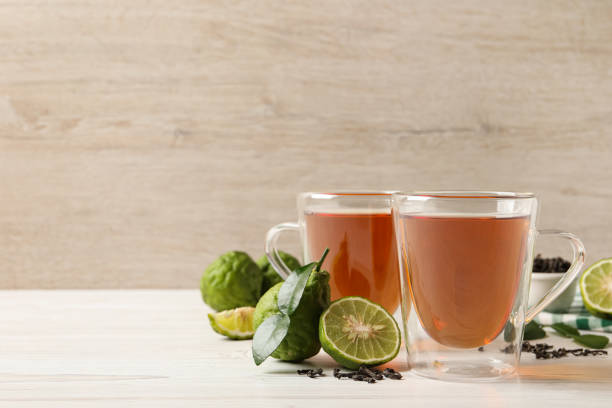
Both teas share a black tea base, so the brewing approach is similar. Use fresh, filtered water heated to 195°F to stay consistent.
Quick brewing reference:
- Water temperature: 195°F
- Steep time: 2 minutes 45 seconds
- Ratio: One teaspoon of loose-leaf tea in bulk per cup, or one teabag per mug
For a teapot, add one teabag per person, plus an extra for the pot. Curious about what a tea infusion is and how it differs from standard brewing? That's worth exploring if you want to get more out of your leaves.
Don't forget storage. Both blends contain volatile citrus oils that degrade with exposure to light, heat, and air. If you're wondering how long loose-leaf tea lasts, the answer depends heavily on how well you store it. Store it in an airtight and opaque container.
If you're exploring variations of this tea, an Earl Grey tea sampler lets you compare different takes on the classic blend without committing to a full tin. It's the easiest way to discover whether you lean traditional or prefer something with extra citrus, lavender, or floral layers.
Conclusion: Choosing Between Earl Grey and Lady Grey
Both blends deliver unique flavors built on the same foundation. Earl Grey is bold, bergamot-heavy, and aromatic. Lady Grey is lighter, brighter, and sweeter. Neither is better. They serve different moods.
Visit Nelson's tea shops in Indianapolis or browse online, try both side by side, and let your palate decide. That's the only comparison that actually matters.
Frequently Asked Questions
Let’s check out some common questions around these teas.
Is Lady Grey just a weaker Earl Grey?
Not exactly. Lady Grey contains less bergamot, yes, but it also adds lemon peel, orange peel, and often floral petals like cornflower or lavender. It's a different blend with its own distinct flavor, not simply a diluted version of Earl Grey.
Which tea has more caffeine?
Both use a black tea base, so caffeine levels are comparable. The specific amount depends on the tea leaves used, steep time, and water temperature. Neither is significantly higher than the other in a standard brew.
Can you add milk to both teas?
You can. Earl Grey pairs well with milk and is the base of the popular London Fog latte. People often enjoy Lady Grey without milk, as dairy can muffle its delicate citrus and floral notes. But personal taste wins here; there's no wrong answer.
Which tea is better for beginners?
Lady Grey. Its softer bergamot, added citrus brightness, and smooth finish make it the more approachable option. Earl Grey's bold, sharp bergamot can be surprising if you've never tasted it before.
These statements have not been evaluated by the Food and Drug Administration. This product is not intended to diagnose, treat, cure, or prevent any disease.