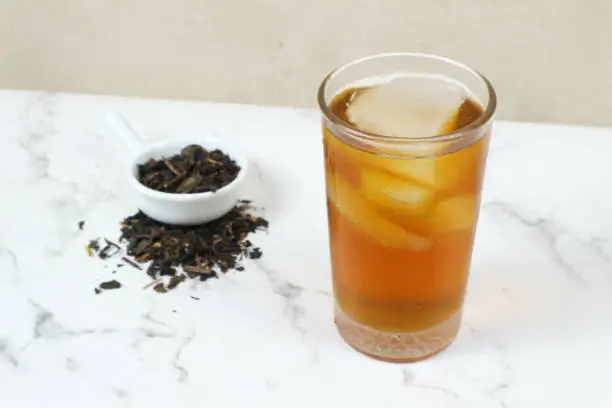
There’s a quiet kind of joy in a good glass of iced tea. The sound of ice cubes shifting. The way the chill hits your hand before you even take a sip. It’s simple, refreshing, and surprisingly easy to make at home, especially when you start with loose-leaf tea instead of a dusty old bag.
Iced tea doesn’t need to feel fussy or complicated. Once you learn the flow, it’s one of those drinks you can make almost on autopilot. Let’s walk through how to make it from start to finish, the easy way.
Why Making Iced Tea Using Loose Tea Leaves Tastes Better
Loose-leaf tea gives the leaves room to move and breathe, and that makes a difference. Whole leaves hold onto their natural oils and aromas, which means more flavor ends up in your glass. Most tea bags are packed so tightly that they can’t really expand. When the leaves don’t have space, the flavor ends up flat.
When you work with loose leaves, everything opens up. You can smell the tea before you even start steeping it. You can see the colors bloom in the water. The flavor feels layered, not just “wet and brown.” There’s also more room to experiment. Want something floral? Go for loose-leaf herbal tea. Need something clean and crisp? Try loose-leaf green tea. Even oolong teas can make an iced drink that hits different on a hot afternoon.
The beauty here is that iced tea made from real leaves tastes like tea is supposed to.
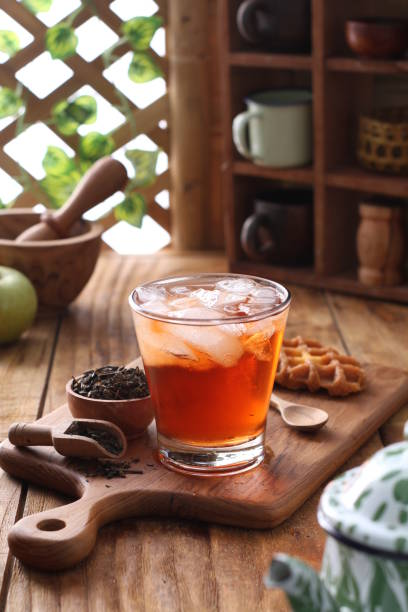
How to Cold Brew a Perfect Iced Tea with Loose-Leaf Tea
Making iced tea is more about attention than precision. The steps are simple, but each one matters. Whether you’re working with an iced tea pitcher or a French press, the rhythm is the same: give the leaves space, use good water, and don’t rush the chill.
Step 1: Gather What You Need
Start with the basics. You’ll need your favorite loose-leaf tea, a pitcher or French press, water, and some ice cubes. Cold water is fine for brewing loose-leaf tea, though hot water works too if you prefer to steep it and then chill.
If you like to play with flavors, keep some fresh fruit nearby — peach, apples, lemons, limes, mango, etc, basically anything that sounds good to you. Some people like to use a spritz of lemon juice or lime juice instead of fruit. A good filter or infuser helps, but if you’re using a French press, the plunger will take care of the leaves for you.
Step 2: Measure the Loose Leaf Tea
The flavor of your tea depends a lot on how much leaf you use. A good starting point is about one teaspoon of loose-leaf tea for every 8 oz of water. This works well for most tea types. If you’d like a lighter brew, ease up a little. If you like a stronger flavor, add loose-leaf tea generously.
This part is also where personal preference really shows. Some people swear by exact measurements. Others just eyeball it and adjust to their preference. Either way works.
Step 3: Heat the Water
For cold brewing, cold water works just fine, but if you want a bolder flavor or you’re following classic leaf tea steeping instructions, warming things up first can give you a stronger result.
Each tea reacts differently to heat. That’s why good steeping instructions and water temperatures can make a big difference. Green tea usually likes cooler water. Black tea leans toward hotter water. Oolong teas sit somewhere in between. Steeping it in hot water and then chilling creates a deep, round flavor that’s closer to traditional iced tea flavors.
Step 4: Steep with Care
Once the water is ready, it’s time to let the tea leaves work their magic. Loose-leaf tea steeping isn’t a race. You want the water to gently pull flavor from the leaves, not burn through it.
If you’re cold brewing iced tea, the steeping time will stretch longer, anywhere from 6 to 12 hours in the fridge. This slow draw gives the final drink a clean, smooth finish. If you’re using hot water, steeping just a few minutes is usually enough. The key is to taste your brewed tea along the way. This way, you catch it at the exact moment the flavor feels right for you.
For extra control, a French press iced tea setup works beautifully. The leaves get plenty of room to move around, and when the tea hits the flavor you want, you just press the plunger down. Simple, clean, and no stray leaves floating around.
Step 5: Chill the Tea
This is where hot tea really becomes iced tea. After steeping, let the tea cool down before pouring it over ice. Hot liquid will melt the cubes too fast and water everything down. Ice will also dilute the flavor over time, so adjust to your preference by adding either water or just serving with more ice cubes.
A big iced tea pitcher filter works well here. Just pour the tea through the filter and let it sit in the fridge until it’s nice and cold. If you’re going for cold brewing herbal tea, it’ll already be chilled by the time you’re done steeping, which makes this step easy.
Step 6: Pour, Sip, and Enjoy
Pouring the cold tea feels like the reward after waiting. That first swirl over the ice cubes, the cool scent, the way condensation beads on the glass — it’s a whole experience.
If you want to have fun with it, add fruit straight to the brewed tea. The fruit slowly releases its flavor as it melts into the drink. You can also drizzle in honey or simple syrup while the tea’s still slightly warm, so the sweetness blends smoothly. Then top it with a few fresh cubes, give it a stir, and you’re set.

Tips for the Best Iced Loose-Leaf Tea Every Time
There’s no single way to make iced tea perfectly. But a few small choices can make your glass taste like it came from a café instead of your fridge.
- Play with tea types. Green, black, oolong, or herbal each gives a different vibe. Loose black tea creates a bold base that pairs well with fruit. Herbal blends lean soft and floral. Green stays crisp.
- Mind the water. Good cold water makes a difference. If your tap water tastes off, your tea will too.
- Use enough leaves. Loose-leaf tea, depending on the variety, will need more or less leaf. If the flavor feels too thin, use more next time.
- Give the tea space. A cramped infuser means cramped flavor. A French press or a roomy iced tea pitcher filter lets the leaves open fully.
- Adjust to your preference. Some like a brew that could wake the dead. Others would like a lighter flavor. The sweet spot is whatever makes you want another sip.
- Let the fruit do its thing. Fresh fruit layered in at the end gives your tea a second wave of flavor as it sits.
Conclusion
Making iced tea at home is easy and can fit into just about anybody's daily routine. Whether you steep slow and cold or go the hot-then-chill route, loose leaves turn a basic drink into something layered and real.
Nelson's Tea has everything you need to make that happen, from loose-leaf herbal tea to loose-leaf green tea and plenty of blends in between. Pick a tea that fits your mood, brew it your way, and let the ice do the rest.
Frequently Asked Questions
Can you make iced tea with loose-leaf tea?
Yes, iced tea using loose-leaf tea is easy. Just add the tea and water to a pitcher or French press, then let it steep. You can use cold brewing or hot steeping, depending on the flavor you want.
Does bagged tea or loose tea make the best iced tea?
Loose leaves have more space to expand, which pulls out more flavor. Most tea bags are tightly packed, so the taste can end up weaker. Loose leaves give you more control and a richer cup.
Can I use green tea or black tea to make iced tea?
Green, black, herbal, oolong, basically any loose-leaf tea will work. Green tea stays bright and clean. Black tea brings a classic iced flavor. Herbal blends keep things soft and floral. Just follow your leaf tea steeping instructions and adjust the steep time and water temperature to match the tea.
These statements have not been evaluated by the Food and Drug Administration. This product is not intended to diagnose, treat, cure, or prevent any disease.