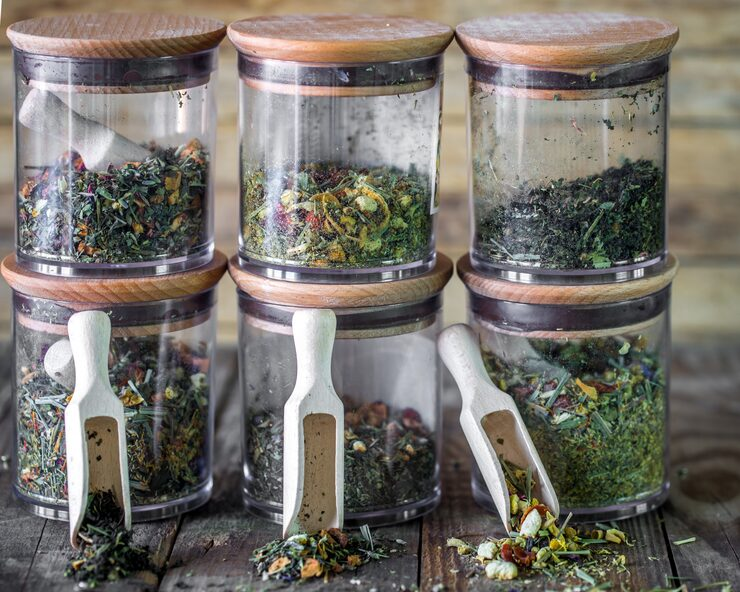
The short answer to how to store loose-leaf tea properly is an airtight, opaque container kept in a cool, dry, odor-free spot. Skip that, and your tea loses aroma and flavor fast, sometimes within a matter of weeks.
Tea has five real enemies: air, light, heat, moisture, and nearby odors. Each one works quietly in the background, pulling flavor out of your leaves before you ever notice anything has changed.
Get the storage basics right, and a good loose-leaf tea can stay genuinely enjoyable for months, sometimes longer, depending on the type.
How to Store Loose-Leaf Tea: The Basic Rules
The rules themselves are simple, even if the reasoning behind them takes a bit more explaining.
Use Airtight Storage
An airtight container is the single most important factor. Oxygen slowly breaks down the aromatic compounds in tea leaves, flattening flavor over time. A tight-sealing lid keeps that process from ever really starting.
Keep Tea Away From Light
Light degrades tea the same way it fades fabric or paper. Store tea leaves in an opaque tin or a cabinet, never in a clear jar on a sunny counter.
Store Tea in a Cool, Dry Place
Heat speeds up flavor loss, and moisture invites mold. Tea doesn't usually "spoil" as fresh produce does, but it does go flat and dull well before it becomes unsafe.
According to California's Department of Education guidelines on proper food storage, dry goods hold up best around 50°F, though 70°F works fine for most everyday pantry items.
Why Loose Leaf Tea Loses Freshness
Tea leaves are porous, so they absorb whatever is around them, whether that's good or bad.
Air Exposure
Every time you open a container, a little oxygen gets in and reacts with the leaf's natural oils. It's slow, but it's cumulative. Frequent exposure builds up more quickly than most people expect.
Moisture
Loose leaf tea is dried to a very low moisture content on purpose. Humid air reintroduces moisture, which dulls flavor and, in extreme cases, can encourage mold growth on the leaves themselves.
Kitchens near a stove or dishwasher tend to run more humid than people realize, which makes them a poor long-term storage spot even with a sealed container.
Heat and Light
Both accelerate the same chemical breakdown. Selena Ahmed, a tea researcher who published through Tufts University, noted that "catechin levels are reduced significantly within six months of production," particularly under warm, bright conditions.
Strong Aromas
Tea absorbs nearby smells easily, more so than most dry pantry goods. Leave a tin of Earl Grey next to a bag of coffee, and don't be surprised if it picks up a faint roasted note within weeks.
The same goes for spice cabinets. A tin of chamomile stored beside cinnamon or cumin will often carry a hint of both by the time you brew it.
Best Containers for Loose Leaf Tea Storage
Not every container marketed for tea actually protects it well.
Airtight Tea Tins
Tins are the gold standard. Metal blocks light completely, and a reliable gasket seal keeps air and moisture out.
Opaque Glass or Ceramic
These work well too, as long as the container is genuinely opaque and the lid seals tightly. Clear glass jars need a dark cabinet to compensate.
Resealable Tea Pouches
Foil-lined pouches with a zip seal are a solid option for bulk tea between transfers into your everyday tin. Look for pouches with a proper zip track rather than a simple fold-over top, since the fold rarely seals as tightly as it looks.
Containers to Avoid
Skip clear jars on sunny counters, loosely folded paper bags, and any container that once held something aromatic like coffee or spices. Lingering smells transfer more easily than people expect.
Cardboard boxes with a flip-top lid are another common mistake. They look tidy on a shelf, but most don't seal well enough to keep air and moisture out over time.
How to Store Loose Leaf Tea at Home
Where you keep your tea day to day matters almost as much as the container itself.
Pantry Storage
A pantry or closed cabinet is ideal. It's dark, temperature-stable, and away from the stove's heat and steam.
Countertop Storage
Countertops near a window or the stove are exposed to light and heat fluctuations throughout the day. If a countertop tin is more convenient, keep it opaque and out of direct sunlight or appliances.
Bulk Tea Storage
Buy in bulk from a trusted loose leaf tea store, then split it. Keep the bulk portion sealed tightly in a larger tin and leave it undisturbed.
Daily Tea Storage
Transfer a smaller working amount, maybe two to three weeks' worth, into a labeled tin for daily brewing.
That way, the bulk supply stays sealed and fresh while you sip from the smaller tin. Nelson's tea recommends splitting your favorite blends this way so the tea you reach for each morning stays fresh.
How Storage Changes by Tea Type
Most teas follow the same core rules, though a few need extra care.
Green and White Tea
These delicate teas lose freshness fastest since they're the least processed and richest in fragile antioxidants. If you're curious how those antioxidants stack up against coffee's, this breakdown of tea vs coffee benefits covers it well.
Black and Oolong Tea
Full oxidation during processing makes these harder. They still benefit from airtight storage, but they're more forgiving of minor lapses than green tea.
Herbal and Flavored Tea
Flavored blends can fade in a different way. Added oils and botanicals sometimes lose their scent before the base tea does, so treat these with the same care as green tea.
Pu-Erh and Aged Tea
Pu-erh is the only tea that doesn't obey these rules. It's meant to age, and some varieties are stored loosely on purpose to develop over years, sometimes decades.
That aging process actually improves flavor rather than degrading it, which is the opposite of almost everything else on this page. Don't apply standard freshness rules to pu-erh without checking guidance specific to that blend.
Loose Leaf Tea Storage Mistakes to Avoid
A few habits undo good storage fast.
- Refrigerating tea. Condensation forms when you take it back out, adding moisture it doesn't need. Most teas do better in a stable pantry than a fridge.
- Buying more than you'll use in a few months. Tea sitting untouched for a year loses far more character than tea bought in reasonable batches.
- Storing near the stove. Heat and steam damage flavor, even with a sealed lid.
- Reusing food-scented containers. Old spice jars or coffee tins carry smells that transfer into tea within days.
How to Tell If Loose-Leaf Tea Is Still Fresh
A quick sensory check tells you almost everything you need to know.
Aroma
Aroma fades first, well before flavor does. A dull or faint smell straight from the tin is usually the earliest sign that tea has lost some of its punch.
Leaf Appearance
Leaves should still look vibrant and intact, not dusty, faded, or crumbled. A washed-out color often indicates prolonged exposure to light.
Brewed Flavor
If the aroma and appearance seem fine, brew a cup. Flat, thin, or oddly muted flavor compared to a fresher batch of the same tea is your final confirmation.
How Long Does Loose-Leaf Tea Usually Stay Fresh
Most loose-leaf teas stay genuinely good for about six months to a year when stored properly, with some sturdier black teas stretching closer to two years. These are general expectations, not hard expiration dates, since actual results depend heavily on how the tea was stored.
Check any printed packaging date as a starting point, and try to buy amounts that match how quickly you actually drink tea. A quick primer on how to seep tea properly also helps you get the most out of leaves before they start to fade.
Frequently Asked Questions
A few quick answers to common storage questions.
Should I store loose leaf tea in the fridge?
No. Refrigeration introduces condensation and moisture when the container comes back to room temperature, which speeds up flavor loss rather than slowing it.
What is the best way to store loose tea leaves?
An airtight, opaque tin kept in a cool, dry cabinet away from strong odors is the most reliable setup for almost any loose-leaf tea.
How to make loose leaf tea last longer?
Buy realistic quantities, keep the bulk supply sealed and undisturbed, and only open your daily tin as needed. Fewer air exposures mean slower flavor loss.
How long will loose leaf tea stay fresh?
Expect roughly six months to a year of full flavor under optimal storage conditions, with some black teas lasting a bit longer. Delicate green and white teas fade sooner.
How to tell if loose-leaf tea has gone bad?
Loose-leaf tea rarely becomes unsafe, but a faded aroma, dusty or dull-looking leaves, and flat brewed flavor all signal it's past its best and worth replacing.
Store It Right, Taste It Right
Good storage relies on five habits: airtight, opaque, cool, dry, and away from strong smells. Skip any one of them, and freshness slips a little faster than it should.
Treat your tea the way it deserves, and every cup keeps its character, whether it's a bold breakfast blend or a delicate white tea. Store your favorite loose-leaf blends properly, and they'll keep tasting the way they were meant to, cup after cup.
These statements have not been evaluated by the Food and Drug Administration. This product is not intended to diagnose, treat, cure, or prevent any disease.