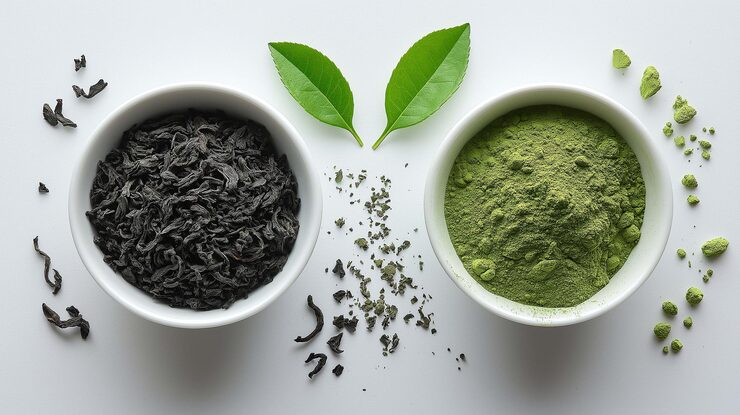
The main difference between matcha and green tea is that matcha is a powder you consume whole, while green tea is steeped leaves you remove before drinking. That single distinction drives nearly every other difference between them, from caffeine to flavor to price.
Whether neither one is universally "better" than the other; the right pick out of two depends on how much caffeine you want, how strong a flavor you're after, and how you plan to prepare it.
This guide breaks down form, flavor, caffeine, nutrients, and everyday use so you can choose with confidence, whether you're brand new to both or just deciding which one fits your routine today.
What Is Green Tea?
Green tea comes from the leaves of Camellia sinensis, the same plant behind black, white, and oolong tea. What makes it green is its minimal oxidation. Leaves are heated shortly after picking, which locks in a lighter color and a fresher, more vegetal profile compared to teas that oxidize longer.
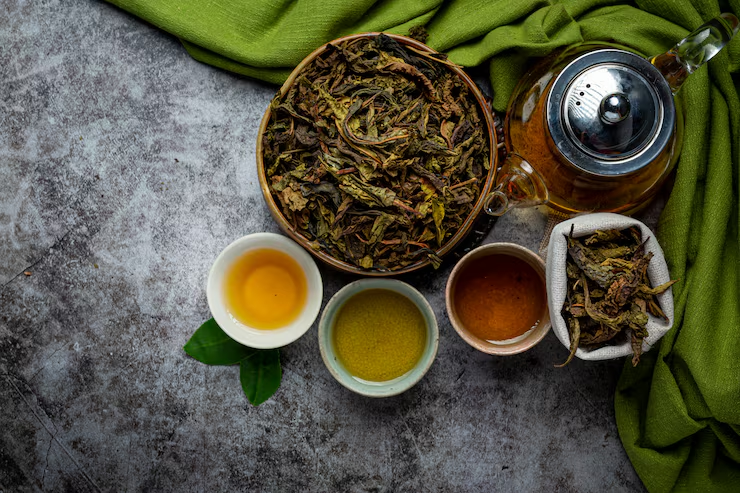
Loose-leaf green tea is a versatile everyday option that’s easy to brew. You steep the leaves in hot water for 1 to 2 minutes, then remove them before drinking, as with most steeped teas.
Green tea comes in several forms: loose leaf, sachets, standard tea bags, and powdered forms like matcha. Each format slightly changes the experience, even when the underlying leaf is similar.
If you're new to the category, this rundown of the different types of tea is a useful starting point before diving into specifics.
Flavor varies by origin and processing, ranging from grassy and vegetal to floral, nutty, or lightly sweet. A Japanese sencha and a Chinese longjing can taste quite different despite both being green tea.
Water that's too hot or steeped too long is the most common cause of bitterness. Cooler water and a shorter steep almost always produce a smoother, more balanced cup.
What Is Matcha?
Matcha is finely ground green tea powder, whisked directly into water rather than steeped and removed. Drinking matcha means consuming the entire tea leaf, not just what dissolves during a brief steep.
To make matcha, the tea plants are shaded for a few weeks prior to picking. That shading changes the leaf's chemistry, increasing chlorophyll and amino acids while softening some of the bitter compounds found in unshaded leaves.
Shading is also why matcha has such a vivid green color and a distinct umami flavor, different from the lighter, grassier taste of most steeped green teas.
Ceremonial-grade matcha tends to come from the youngest, most carefully shaded leaves, while the culinary-grade option is often blended for baking or drinks where a subtler flavor works well.
Because it's whisked rather than steeped, matcha produces a thicker, more textured cup than a typical infusion. Beyond the traditional bowl-and-whisk preparation, it also shows up in lattes, smoothies, and baking, where its color and flavor hold up well against milk, sugar, or other strong ingredients.
Matcha vs Green Tea: Key Differences
Here's how the two compare across the factors that actually affect your daily cup.
|
Factor |
Green Tea |
Matcha |
|
Form |
Loose leaves, steeped and removed |
Fine powder, whisked and consumed whole |
|
Flavor |
Light, grassy, floral |
Fuller, vegetal, umami-rich |
|
Caffeine |
Lower per serving |
Generally higher per serving |
|
Preparation |
Steep for 1 minute and strain |
Sift and whisk into water |
|
Best for |
Daily drinking, multiple infusions |
Stronger focus, lattes, smoothies |
Form and Preparation
Green tea is steeped, then the leaves are strained out and discarded. Matcha skips that step entirely since the whole leaf ends up in your cup.
That difference affects more than just convenience. Consuming the whole leaf means you get everything the leaf contains, not just what transfers into the water during a short steep.
Flavor and Texture
Steeped green tea tends to be lighter and more delicate, with flavor that shifts depending on steep time and water temperature. As opposed to being merely grassy, matcha is fuller-bodied and is more commonly characterized as creamy or umami-rich.
Caffeine Content
Matcha generally contains more caffeine per serving than steeped green tea, mainly because you're consuming the entire leaf rather than a brief infusion of it.
The FDA's Spilling the Beans consumer update lists green tea at roughly 37 milligrams of caffeine per 12 fluid ounces, well below coffee's typical range.
Matcha's exact caffeine content varies by serving size and grade, but since the whole leaves end up in the cup rather than being strained out, it's reasonable to expect somewhat more per serving than in a standard steeped cup.
Nutrients and Antioxidants
Matcha may deliver more catechins and antioxidants per serving simply because the whole leaf is consumed rather than strained out. To be clear, neither of these teas will magically improve your health.
According to Barbara Delage, Ph.D., of the Linus Pauling Institute at Oregon State University, "green teas are high in catechins," though the exact amount varies by cultivar and source. That variability applies to matcha as well, since it's still fundamentally green tea.
Benefits and Considerations
The marketing claims surrounding both teas are frequently exaggerated, and while they do have some general health benefits, neither should be used as a remedy for any particular ailment.
Shared Tea Benefits
Both matcha and green tea contain plant compounds that are tied to general wellness support. Beyond that, many people simply appreciate them as a lower-sugar alternative to soda or flavored coffee drinks and as part of a calming daily ritual that doesn't require much equipment or time to prepare.
The act of preparing tea, whether steeping a cup or whisking a bowl of matcha, also gives many people a moment of calm in an otherwise busy and chaotic day.
That small ritual, more than any single compound in the leaf, is often what keeps people coming back to tea rather than other beverages.
Caffeine Sensitivity
If you want a stronger focus boost, matcha's higher caffeine content may better suit your taste profile. If you're sensitive to caffeine, steeped green tea is usually the gentler option, especially later in the afternoon.
The FDA generally cites 400 milligrams of caffeine per day as an amount not typically associated with negative effects in most healthy adults, though individual tolerance varies widely based on body weight and personal sensitivity.
No matter what kind of caffeine you drink—matcha, green tea, or coffee—reducing your consumption later in the day will help you get a better night's rest.
How to Choose Between Matcha and Green Tea
The best choice will depend on your flavor preference, caffeine goals, and how much prep time you want to invest on a given day.
Best Everyday Uses
Choose green tea for a lighter daily cup, multiple infusions from the same leaves, or a gentler caffeine option that won't overwhelm an empty stomach. A green tea loose-leaf blend is a simple, low-effort option to begin with.
Choose matcha if you have a preference for lattes, a stronger flavor profile, smoothies, or a more concentrated tea experience overall. Nelson's Tea keeps both formats on hand, so you can switch depending on the day.
Brewing Tips
Green tea prefers cooler water, generally well below boiling, to avoid pulling out excess bitterness. A short steep of 1 minute at 175 degrees is usually sufficient.
Matcha benefits from sifting the powder before whisking, which helps prevent clumps and gives you a smoother, frothier cup. A bamboo whisk is ideal, but a small handheld frother can also be used if needed.
If you're ready to build out a rotation of both, browsing loose-leaf tea online makes it easy to compare formats side by side before committing to one for daily use.
Matcha or Green Tea? Find Your Perfect Choice
There's no universal winner here. Green tea is better for a lighter, gentler daily habit, while matcha offers a stronger flavor and a bigger caffeine lift from the same base plant.
Both come from the same leaf, just processed and prepared in very different ways, and both can fit comfortably into a daily routine without much fuss.
Try both, see how each fits your routine, and let your taste and caffeine tolerance guide your choice instead of whatever trends are popular online this week.
Matcha vs Green Tea FAQs
Is matcha healthier than green tea?
Not definitively. Matcha may offer more concentrated antioxidants since you consume the whole leaf, but steeped green tea still delivers real benefits with less caffeine per cup, which matters for some people.
Does matcha have more caffeine than green tea?
Generally, yes. Because matcha uses the whole leaf rather than a quick infusion, it typically delivers more caffeine per serving than a standard cup of steeped green tea, though exact amounts vary by brand and grade.
Is green tea powder the same as matcha?
Not always. True matcha comes from shade-grown leaves processed specifically for that purpose. Some powdered green teas skip the shading step entirely, which changes both flavor and nutrient content compared to authentic matcha.
Does matcha taste like green tea?
Somewhat, but it's noticeably fuller and more vegetal, often with an umami quality steeped green tea doesn't have. The shading process during growth is largely responsible for that difference in taste
Can you drink matcha or green tea every day?
Most people can enjoy either one daily without issue. Just factor in your total caffeine intake from other sources, and adjust based on how your body responds over time.
These statements have not been evaluated by the Food and Drug Administration. This product is not intended to diagnose, treat, cure, or prevent any disease.