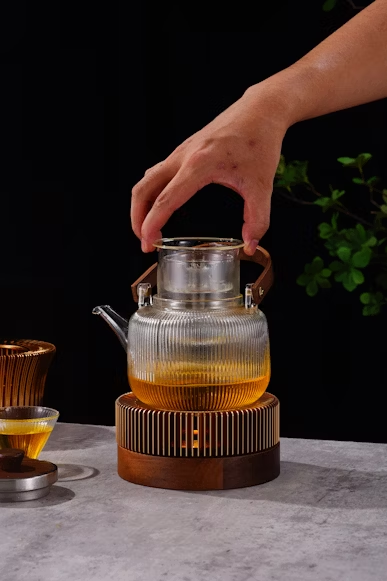
Tea is simple at first glance: hot water, tea leaves, a cup. Yet anyone who has ever ended up with a bitter sip of green tea or a weak black tea knows that brewing is more of an art form than it looks. The secret behind that art often comes down to one thing: water temperature.
Introduction
Heat changes the way flavors show up in your cup. Too much and the tea can taste harsh. Too little and the drink falls flat. Getting the right balance unlocks the flavor profile the tea plucker intended when they picked and dried the leaves.
We'll look at how heat changes the flavor of tea, the ranges each type likes, and a few tricks that make brewing less fussy. By the end, you'll have your own mental tea temperature chart and a better feel for how to brew every type of tea, from black to green, delicate white, earthy flavored oolong, caffeine-free rooibos, and even some of the lesser-known ones.
How Does Temperature Affect the Tea You Brew?
Water does more than soak the leaves — it pulls out oils, draws flavor, and releases antioxidants. The hotter the water, the faster that process happens.
When the temperature is too high, it extracts tannins that make tea taste sharp or bitter. But if the water is too cool, it "leaves" those sweet flavors behind, and the cup tastes bland.
The optimal temperature also shapes the aroma. Green and white teas brewed at the correct temperature give off a soft, sweet smell. Brewed too hot, they smell flat and astringent. Herbal infusions like peppermint leaf or thyme leaf bloom best when the water is close to boiling.
Tea Temperature Guide
Every tea has a comfort zone. Some can handle fully boiling water at 212°F without breaking a sweat, while others need lower brewing temperatures closer to 160°F to bring out their delicate flavor. Nelson’s Tea created this quick reference chart for brewing instructions to help you achieve the perfect cup of tea.
|
Tea Type |
Ideal Temperature Range |
Notes |
|
Black Tea |
195°F |
Bold and sturdy, can handle near-boiling water. |
|
Green Tea |
175°F |
Needs cooler water to avoid bitterness. |
|
White Tea |
175°F |
Delicate buds, best with a softer, gentle touch. |
|
Herbal Tea |
203 °F |
Most blends thrive in hotter water. |
|
Oolong Tea |
185°F |
Same for both light and dark styles. |
|
Rooibos Tea |
203°F |
Naturally caffeine-free, hotter water is best. |
|
Chari Tea |
175°F |
Delicate floral blends, similar to green tea. |

Best Temperature for Brewing Tea
Finding the best temperature for brewing tea is less about strict rules and more about temperature control that matches the tea leaves in front of you. The brewing process changes a lot depending on the tea type, and even small shifts in heat can change the flavor. Some people like it lighter, others stronger, so there’s always room for personal preference.
Still, knowing the general ranges makes it easier to land on a perfect cuppa tea without wasting leaves or guessing every time you boil water.
Black Tea
Black tea is forgiving and bold. It does best with almost boiling water at 195°F or close to it. You will know the kettle is ready when bubbles start to build.
Steep three to five minutes for a strong cup, and longer if you want more body. Adding milk is common, and sugar or honey helps balance the malty edge that many blends carry. Loose-leaf black tea is especially satisfying because the flavor holds steady even with higher temperatures.
Earl Grey and English Breakfast Black Teas
Earl Grey and English Breakfast deserve their own mention. Both are blends people reach for daily. Earl Grey, scented with bergamot, opens up best around 208°F so as not to damage the bergamot oil. The citrus note balances the black tea base when brewed at high heat. English Breakfast loves an almost full boil. It was built to be bold enough for milk and sugar, and near-boiling water brings out that strength.
Green Tea
Loose-leaf green teas like cooler water and are far less forgiving. Pouring fully boiling water over them will scorch the leaves and create a bitter taste. They prefer cooler water, usually around 175°F, and steep for only a minute. If you don't have a thermometer, boil the water, then let it rest for a minute before pouring. That drop is usually enough.
Sencha vs. Matcha Teas
Sencha needs a steady 170°F to keep its flavor smooth. Any hotter and it turns sharp and unpleasant. Matcha is different because it's whisked rather than steeped, but it still prefers cooler water around 160°F. Lower temperature keeps the froth sweet and avoids an edge that can overwhelm the cup.
White Tea
Loose-leaf white tea comes from young buds. That makes them fragile compared to darker teas. They like water around 175°F. This range brings out their delicate flavor and sweet edge without flattening the subtle notes. Steeping time is usually two minutes, though some people stretch it longer for a deeper cup.
Because white teas are so lightly processed, you can often enjoy two or three subsequent infusions and find something new in each one.
Herbal Tea
Loose-leaf herbal teas are a broad category, sometimes called herbal infusions, since they aren't made from the Camellia sinensis plant. Most can handle high temperatures around 203°F and steep for 3-4 minutes. The heat coaxes out more of the taste and the calming qualities herbs are known for. Chamomile, peppermint leaf, sage herbs, and licorice root all do well at or near boiling water.
Caffeine-free vs. Tea Blends With Spice
Caffeine-free blends like chamomile tea or lemon balm leaves are best with water around 203°F. They stay smooth and gentle this way. Spiced blends such as turmeric lattes thrive on cooler water at 160°F. Warm water warms the milk and pulls the punch out of spices, so blends with cinnamon or turmeric come out strong and cozy. Boiling anything with turmeric diminishes the anti-inflammatory properties.
Oolong Tea
Oolong sits in the middle of the tea spectrum. Some are light and floral, others are roasted and deep. That is why the temperature range is wide, usually 185°F for 2.5 minutes, though a darker roasted oolong may benefit from a bit hotter water. Loose-leaf oolong tea rewards careful brewing because you can shift temperature and steeping time to highlight different sides of its character.
Rooibos Tea
Rooibos, also known as red tea or red bush tea, is naturally caffeine-free and forgiving. It's best brewed hot, around 203°F, and steeped for four to five minutes tops. You get a rich red color in the cup and a taste that’s smooth, slightly earthy, and naturally sweet. Loose-leaf rooibos tea is a comfortable evening drink and pairs well with honey.
Chari Tea
Chari teas, often scented with jasmine or blended with flowers, are delicate. Treat them like green and white teas, with cooler water between 170 and 180°F, though if it’s a base with black tea or herbal blends, you’ll want between 195 and 203°F. Many of these teas are considered Chinese tea traditions, and brewing with care honors that origin.
Tips for the Best Loose-leaf Brewed Tea
How to Avoid Bitter Teas
Bitterness usually comes from water that is too hot or steeping time that is too long. Green and white teas especially need a lower temperature. Pulling the tea leaves out earlier can also help. When in doubt, shorter steeping and cooler water are safer.
Gong Fu Brewing
This is a careful brewing style from China that uses small teapots, high-quality tea leaves, and very short steep times. It's common with oolong and Pu-erh tea. Each pour creates a slightly different flavor profile. When you practice Gong Fu, you aren't just brewing tea; you're creating a small, beautiful, ritualistic art form.
Western Style Brewing
Western style is what most people do at home: one teaspoon of loose tea per cup, steeped for three to five minutes. It makes more tea in one go and is straightforward. You don't get as many layers as Gong Fu, but it's practical when you want more tea without fuss.
Clean Teapot With Boiling Water
Before you brew, give your teapot or cup a quick rinse with boiling water. It does two things at once: it clears out any lingering dust or old flavors, and warms the vessel so your tea stays hot longer. Old residue can dull delicate flavor, especially with green and white teas, so this small step keeps each brew tasting fresh.
Conclusion: Finding the Perfect Temperature
Get the heat right and tea opens up in ways that surprise you.
Green and white teas taste softer with cooler water, black and herbal blends wake up with a boil, and oolong sits somewhere in the middle. Once you get a feel for it, brewing feels less like guesswork and more like instinct when you're ready to brew your next cup.
If you are ready to put this into practice, Nelson's Tea has everything you need. Their shelves make finding loose-leaf tea online in their shop easier than ever. It’s worth experimenting with — black, green, white, oolong, rooibos, and herbal blends.
Pick one, play with the heat, and see how much better a cup gets when it’s brewed just right.
These statements have not been evaluated by the Food and Drug Administration. This product is not intended to diagnose, treat, cure, or prevent any disease.