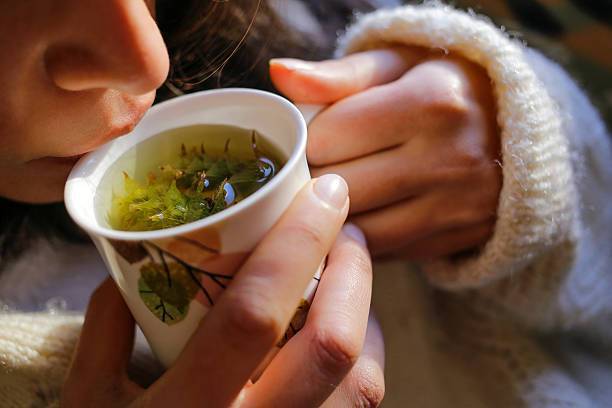
Herbal teas are often considered a healthy, caffeine-free alternative to coffee and caffeinated tea. From chamomile tea at night to ginger tea after meals, many tea drinkers consume multiple cups daily. But how many cups of herbal tea a day is actually safe?
While herbal infusions offer various health benefits, drinking too much can cause adverse effects depending on the herbs used, preparation method, and individual health factors
How Much Herbal Tea Can You Drink Per Day?
Short answer: For most healthy adults, 2–4 cups per day is considered safe and typically healthy.
Herbal teas differ from true teas like green tea, black tea, white tea, and other teas made from the Camellia sinensis plant because they are brewed from dried herbs, flowers, seeds, or roots. This makes most herbal teas caffeine-free, but not automatically risk-free.
Research suggests that moderate tea consumption supports hydration and may provide potential health benefits, including digestive support and improved heart health.
However, too much tea, especially concentrated herbal blends or detox teas, may lead to ill effects such as digestive upset, electrolyte imbalance, or interactions with medications.
Key factors that influence safe tea intake include:
- The specific herb used
- Strength of the brew
- Frequency of drinking tea
- Individual sensitivity
- Existing chronic disease or medication use
Unlike caffeinated beverages, herbal teas don’t contribute to caffeine consumption—but excess intake can still strain the body.
Daily Intake Recommendations by Herbal Tea Type
There are a few general guidelines you need to follow when it comes to drinking herbal tea. You should always follow the safe limit.
“The effects of herbal tea are usually mild… depending on what you’re using it for, two to four cups a day is generally reasonable.” — Gafner and Winston Craig, PhD, MPH, RDN. (Source:Today's Dietitian)
Below are some of the herbal teas available in most tea shops in Indianapolis, and you should know the daily intake recommendations for the best nutritional value.
Chamomile Tea
Chamomile tea is a go-to herbal drink for relaxation and improved sleep. Since it’s naturally caffeine-free and gentle, some people love sipping it at night to just relax after a long day. You can also add in some cornflower benefits to your tea if you want to add antioxidant and anti-inflammatory properties to your tea ritual.
How much to drink: About 2 or 3 cups a day
Best time: Evening or right before bed
What it may help with: Sleep quality, calming nerves, and giving some mild tummy comfort
There’s a systematic review and meta-analysis in Phytotherapy Research that says if you use chamomile regularly, it might help those with poor sleep and could ease some symptoms of generalized anxiety disorder (GAD).
But if you’re allergic to plants in the daisy family or are on blood thinners, you should be careful. Chamomile can interfere with such medicines and trigger allergic reactions in those who are sensitive.
Peppermint Tea
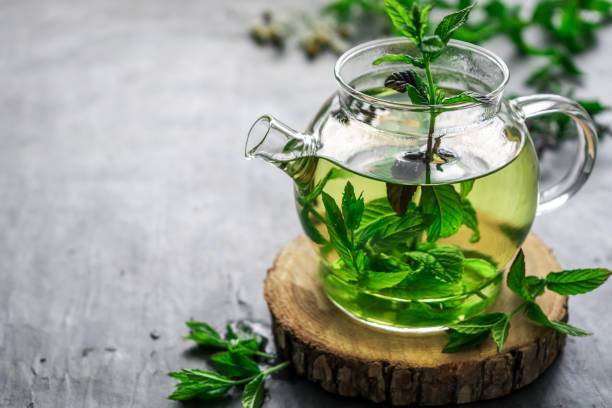
Peppermint tea, or mint tea as some call it, is super refreshing, and some drink it after having their meals. And the best part? Its caffeine content is zero, so you can drink it whenever without worrying about getting all jittery.
How much to drink: 2 to 4 cups a day
Best time: After meals or anytime you need some tummy comfort
What it may help with: Easing gas, bloating, and light nausea
The scientific evidence on mint tea is limited, but research on peppermint oil, which is the concentrated compound from peppermint, shows it’s good at helping to relax gut muscles and can ease symptoms of irritable bowel syndrome (IBS) and general digestive issues.
Some people find that too much peppermint can make acid reflux worse, so maybe start with a small amount first. Just listen to how your body feels before you make it a part of your daily routine.
Ginger Tea
Ginger tea is famous for its warm, spicy flavor and the soothing vibes it brings to your gut. Ginger has active compounds like gingerol that research shows might ease nausea linked to pregnancy, motion sickness, or even just upset stomachs.
How much to drink: 1 to 3 cups a day
Best time: Anytime you want to calm your stomach or relieve nausea
What it may help with: Nausea, digestion, and inflammation
But our regular consumption should be limited, or it could lead to heartburn or might interact with blood thinners.
Hibiscus Tea
Hibiscus tea is a popular beverage, known for its bold, tangy flavor and a gorgeous red color. Clinical studies actually show that drinking hibiscus tea regularly may help lower systolic blood pressure in people who have mild hypertension. Plus, its antioxidants are good for overall heart health, but if your blood pressure’s low, just be a bit careful with it.
How much to drink: 1 to 2 cups a day
Best time: Morning or afternoon
What it may help with: Heart health, blood pressure, and antioxidants
Rooibos Tea
Rooibos comes from South Africa and is naturally caffeine-free and low in tannins, so it’s super gentle on the stomach and your teeth, too.
How much to drink: 3 to 4 cups a day
Best time: Anytime
What it may help with: Antioxidant support and general wellness
The research on rooibos is still developing, but it's generally praised for its antioxidants, which might help with overall health and support digestion.
DanDelion / “Detox” Teas
Dandelion tea is often pushed as a detox drink for your liver and kidneys, but you need to keep a check on the quantity you intake.
Since dandelion can boost urine output, drinking it in large quantities, especially in detox blends with many herbs, can lead to an imbalance in body fluids and stress out your kidneys. So, always consult a healthcare professional if you’re thinking about it for detox or daily drinking.
How much to drink: About 1 cup a day, but only in the short term
Best time: Morning
What it may help with: Mild diuretic effects and some digestive comfort
Herbal Teas That Require Extra Caution
Not all herbal teas are suitable for daily or long-term use. Some herbal infusions contain biologically active compounds that can act more like medicine than a casual drink.
Teas made with St. John’s wort, licorice root, senna, comfrey, or highly concentrated turmeric tea may interfere with medications, affect blood pressure, or strain the liver and kidneys. Detox teas are particularly risky because they often combine multiple strong herbs that can increase the chance of adverse effects.
For many tea drinkers, these blends are best reserved for short-term use rather than regular consumption. Treat potent herbal teas as supplements and not as everyday beverages. This can help reduce unnecessary health risks.
If you’re buying fresh loose-leaf herbal tea online, it’s important to know how long loose-leaf tea is good for. Most teas maintain their flavor and potency for 6–12 months if stored in airtight containers away from heat, moisture, and sunlight. Proper storage ensures you enjoy the full taste and potential health benefits of your herbal infusions.
Special Considerations
Herbal teas are safe to enjoy, but you need to keep the context in mind. The American Society for Nutrition hints that drinking moderate amounts of green or black tea could be linked to reduced all‑cause mortality and may reduce the risk of having heart disease. For those who prefer traditional tea, choosing high-quality options like black loose-leaf tea in bulk can help maintain consistent quality and portion control compared to heavily processed tea bags.
Now, with herbal teas, the safety and effects can really depend on:
- What herbs are in them
- How much are you consuming
Some blends might come loaded with bioactive compounds that could interact with your prescription medicines or your metabolism, especially if you're going overboard.
That’s why moderation is key, especially with those herbs that have serious effects. If you have any health problems or are on medication, seeing your healthcare professional is important.
Who Needs to Be Careful about Herbal Tea?
You need to be cautious with herbal teas before you buy loose-leaf herbal tea online:
- Taking prescription medicines
- Got liver, kidney, or heart issues
- Pregnant or a nursing mother (Always consult your healthcare provider to know what teas are safe during pregnancy to ensure the safety of you and your baby.)
- Dealing with hormone sensitivity or taking blood pressure/diabetes medications
In situations like these, it’s best to stick to moderate amounts, like 1 or 2 cups of mild herbal teas each day. It's better to consult your doctor before you start including herbal teas in your diet.
Expert & Health Organization Recommendations
Major U.S. health groups and serious research emphasize a balanced and evidence-based take on herbal tea. They point out both the benefits and the need to be careful.
Key Points from Health Authorities
NCCIH (National Center for Complementary and Integrative Health):
Herbal teas aren’t overseen like regular medicines. They might interact with your medicines or be different in strength and purity. So, if you’re sipping herbal teas, it’s a good idea to know what you're downing and consult with your healthcare professional about any risks.
Research Highlights
Multi‑Ethnic Study of Atherosclerosis (MESA):
A study conducted by MESA found that drinking herbal tea in moderation could lead to fewer heart issues and even reduce all-cause mortality over 14 years.
Case Study with MESA Cohort:
- Sample size: ~4,711 adults
- Finding: Those who regularly had herbal tea had a significantly lower incidence of cardiovascular disease and mortality compared to those who didn’t drink any.
Harvard Health Publishing also suggests that some herbal infusions, like hibiscus and ginger, show encouraging health-promoting properties. But you should enjoy them in moderation and should not use them as a substitute for medical treatment.
Takeaway
All in all, guidance from the U.S. government and academics makes clear about three things:
- Taking herbal tea in moderation
- Checking in with healthcare professionals
- Being aware of how these teas might interact with any health issues or meds you've got
Finding the Right Balance With Herbal Tea
Herbal tea can be enjoyed in moderation. The drinks contain natural ingredients like plant compounds and lack caffeine, but this does not make them completely safe. The key is variety, moderation, and staying hydrated with plain water. Whether you enjoy chamomile to relax, ginger after meals, or rooibos throughout the day, keeping your intake reasonable helps you get the benefits without problems. Tea drinkers who value high quality should buy loose-leaf tea in bulk from Nelson's Tea, one of the leading sellers of a variety of teas, herbs, and spices. From tea samplers to tipsy tonics, we have it all. Come and browse our exclusive tea collection!
Frequently Asked Questions
Is too much herbal tea harmful for the kidneys?
Yes. Excessive intake of diuretic or detox teas may strain the kidneys over time, especially in those with preexisting kidney conditions.
How many cups of herbal tea can you drink in a day?
Most experts recommend 2–4 cups per day, adjusted based on the herbal blend and individual health status.
Is it healthy to drink herbal tea every day?
Yes, for most adults, drinking mild herbal teas like peppermint or rooibos as part of moderate tea consumption.
Can you drink herbal tea at night?
Yes. Herbs like chamomile and mint tea are popular choices for tea before bed and may support relaxation.
Which herbal tea is safest for daily use?
Rooibos, peppermint, and chamomile are often considered safe for regular daily consumption.
Can drinking too much herbal tea cause side effects?
Yes. Drinking too much herbal tea may cause digestive upset, medication interactions, or hydration changes.
These statements have not been evaluated by the Food and Drug Administration. This product is not intended to diagnose, treat, cure, or prevent any disease.