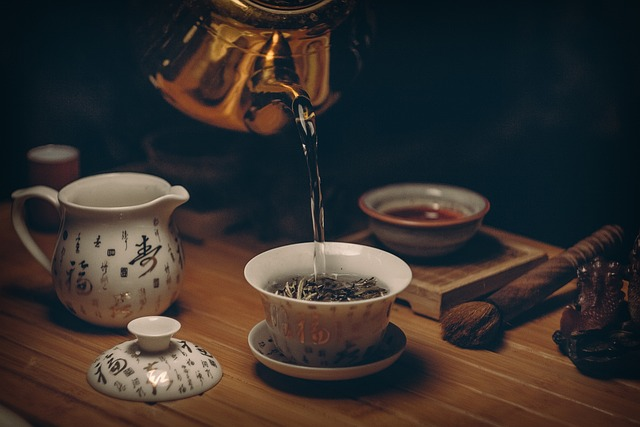
There’s a small kind of comfort in tea. The way it warms your hands before it even reaches your mouth, the steam curling up to kiss your face, it's that tiny still moment before the first sip that can feel like a small reset.
Introduction to Brewing Loose-Leaf Tea
Switching from tea bags to measuring loose-leaf tea often brings a few surprises. Those first few attempts don’t always taste the same from cup to cup. One cup might come out weak and distant, almost like the flavor didn’t show up. Another brew might turn out far stronger than expected and catch you off guard. Most of us start guessing — a spoonful here, a scoop there, maybe a different mug, hotter water? Somewhere in the middle, we realize we don’t quite know how much loose-leaf tea to use in a cup.
That’s where this guide comes in to help you settle into a cup that tastes like it should. A cup that feels like a small sigh, the kind that softens the edges of a busy day. Whether you’re brand new to brewing or you’re already the type who mixes blends with bulk herbs and spices for fun, this is here to make things easier, calmer, and a bit more enjoyable.
The Right Loose-Leaf Tea to Water Ratio
Tea can look complicated, but at its heart, it’s simple — water and tea leaves meet for a few warm minutes, and something good comes from it. A good starting point for most teas is 1.5 teaspoons of loose-leaf tea for every eight ounces of water. Eight ounces matches the size of a typical mug used in most kitchens. A bigger mug may call for a little more tea to keep the flavor steady, a smaller one usually needs less. Tea doesn’t demand precision the way baking does.
Once you try that basic ratio, the flavor becomes clearer and easier to recognize. The heat comes through more gently, and the smell becomes richer and more inviting. Brewing becomes something you actually look forward to instead of something you try to fix.
Why Loose-Leaf Tea Measurement Varies
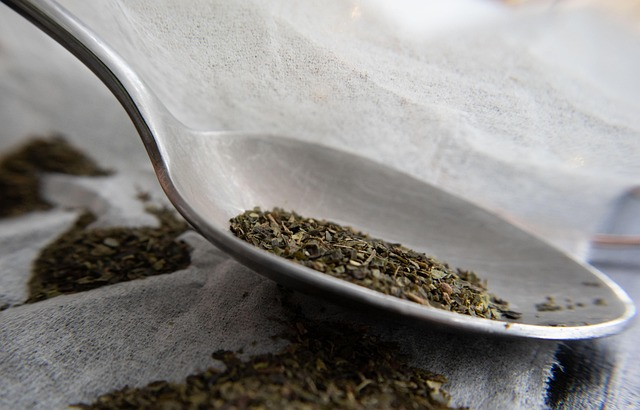
Loose-leaf teas don’t all brew the same because their leaves differ in size, shape, and density. Some are rolled tight, others are long and flat, and a spoonful of each won’t weigh the same. Oxidation changes flavor strength, so darker teas usually taste fuller while lighter ones stay mild. Freshness matters, too, since newer leaves tend to have more aroma and depth than older ones.
Water temperature can shift the taste as well, pulling out flavor faster when it’s hotter. Personal preference plays into it as well, because some days call for a bold cup and other days feel better with something softer. Loose-leaf brewing has room for adjustment, which is part of what makes it feel relaxed rather than rigid.
General Guideline People Can Rely On
Using 1.5 teaspoons of loose-leaf tea for every eight ounces of water is an easy way to begin. Light, airy leaves often need a rounded scoop to bring out the taste. Tight, compact leaves tend to work with a level spoon.
Your preferred taste is always going to be the best guide you’ll ever have. A weak cup can be strengthened by using a little more tea the next time you brew. Or if the flavor comes through too strongly, using a bit less often settles it. Some people keep a tiny note on their phone or a scrap of paper tucked in a cabinet. Something like "1.5 teaspoons, 2 minutes, perfection."
After a few tries, brewing becomes natural and stops feeling like trial and error, and becomes something familiar. Just something your hands know how to do, the same way they know how to tie a shoe or flip a pillow to the cool side.
By Tea Type: Recommended Amounts
Each tea has its own way of opening up in hot water. A little guide can make the process smoother and more intuitive. You can keep this nearby or let it slowly settle into memory. Either way, it’s here to make brewing feel comforting instead of confusing.
Tea Type Brewing Guide (Typical Values per 8oz Cup)
Here’s a quick guide to help with scooping, water temperature, and steeping time for different teas.
|
Tea Type |
Amount of Tea Leaves |
Water Temperature |
Steep Time |
|
Black |
1.5 teaspoons |
195°F |
2:45 min |
|
Green |
1.5 teaspoons |
175°F |
1:00 min |
|
White |
1.5 teaspoons |
175°F |
2:00 min |
|
Oolong |
1.5 teaspoons |
185°F |
2:30 min |
|
Pu-erh |
1 teaspoon |
200 to 212 F |
3 to 4 min |
|
Purple |
1 teaspoon |
185 to 200 F |
3 to 4 min |
|
Mate |
1 to 2 teaspoons |
160 to 175 F |
3 to 5 min |
|
Herbal |
1.5 teaspoons |
203°F |
4:00 min |
|
Rooibos |
1.5 teaspoons |
203°F |
4:00 min |
Heat and steeping time both affect how a cup of tea tastes, and the flavor can shift when either one changes. If the brew comes out stronger than you like, adding a little hot water can mellow it. A light-tasting cup can be brought forward by steeping the leaves a bit longer.
When to Use Weight Instead of Scoops
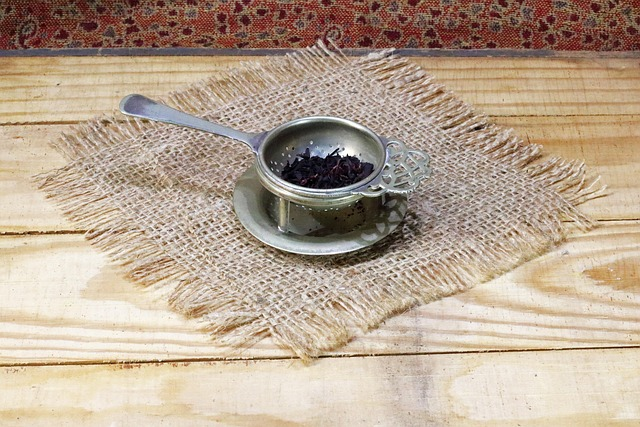
Teaspoons work well most of the time, but there are moments when using weight brings more consistency. Rolled leaves look small in a spoon but expand dramatically. Fluffy teas fill the spoon but weigh very little. A small kitchen scale helps you find the same flavor every time.
Two to three grams of tea per eight ounces of water is a simple guideline if you enjoy precision. Some people like using a scale when brewing black loose-leaf tea because density shifts from blend to blend. But if you don’t have a scale, there’s no need to rush out and buy one. Tea doesn’t require equipment to be enjoyed. It only asks for attention.
Adjusting for Strength
Water temperature plays a big role in how strong a cup tastes. Higher heat brings out flavor more quickly, while lower heat keeps things gentler.
Green and white teas do better at cooler temperatures because they can turn bitter if the water is too hot. Darker teas hold up to higher heat and develop a fuller taste. The easiest way to find the strength you prefer is to adjust one variable at a time. You can use a little more tea, steep for a bit longer, lower the temperature to soften the flavor. Over a few cups, you’ll start to notice what you enjoy most, and brewing becomes more intuitive.
How Water Quality Changes the Taste of Hot Tea
Water might seem like the simple part of making tea, but it has more influence than most people expect. Some tap water has minerals that can flatten delicate teas, while filtered water often lets the flavor come through more cleanly. You might notice a change when you make tea somewhere else or after switching kettles at home. The tea can taste brighter one day and softer the next, and the only difference is the water.
You don’t have to fuss over it, but noticing the water can help explain why the same tea sometimes tastes different, and it can guide you toward the flavor you enjoy most.
Tips for Consistency at Home
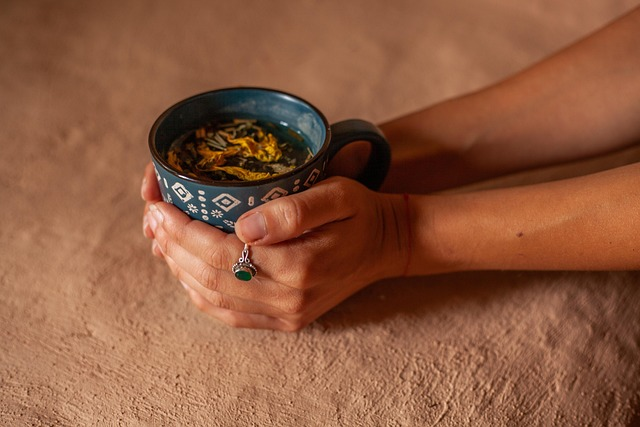
Consistency makes tea feel like a small ritual instead of a gamble. A few quiet habits help.
Use the same mug when possible. Use filtered water if you can, since water changes taste. Store tea away from heat and light. Use a timer so steeping doesn’t slip your mind. Rinse your teapot if it smells like yesterday’s drink.
If you enjoy exploring new flavors, you might stroll into tea shops in Indianapolis or browse blends online that call your name at your favorite loose-leaf tea company. Exploring new teas can be fun, yet finding one that feels familiar is what brings people back to it. A small note or reminder can help you repeat the cup you enjoyed before. It doesn’t have to be detailed — a few words are often enough.
How Much Loose Tea Will Go in Your Cup of Tea?
The perfect cup of loose-leaf tea is about feeling, taste, and a quiet pause before the sip. Learning how much tea to scoop takes away the guessing and brings more comfort to the moment. Brewing becomes calm. Familiar. Something you look forward to instead of something you wrestle with. Tea can slow the pace of the day in a way that brings you back to yourself.
If you feel like trying something new, Nelson’s Tea has everyday options like black tea and oolong tea loose-leaf blends, and loose-leaf green tea bulk options that work well for the way people brew tea at home. The right blend turns each cup into something to look forward to, and Nelson’s Tea offers plenty to explore whenever the moment feels right.
These statements have not been evaluated by the Food and Drug Administration. This product is not intended to diagnose, treat, cure, or prevent any disease.