White tea is the quiet star of the tea world. It looks simple, but the flavor and history behind it run deep. Brewing it isn’t hard, but it does ask for a little care. Think of it as slowing down long enough to enjoy a cup that’s light, sweet, and refreshing without being fussy.
We’ll look at where white tea comes from, how it stacks up against other teas, and the simple steps to brew a cup you’ll actually enjoy. By the end, you’ll feel ready to put the kettle on and enjoy your own tea drinking experience.
Defining White Tea
So, what is white tea exactly? It’s one of the least processed teas you'll find.
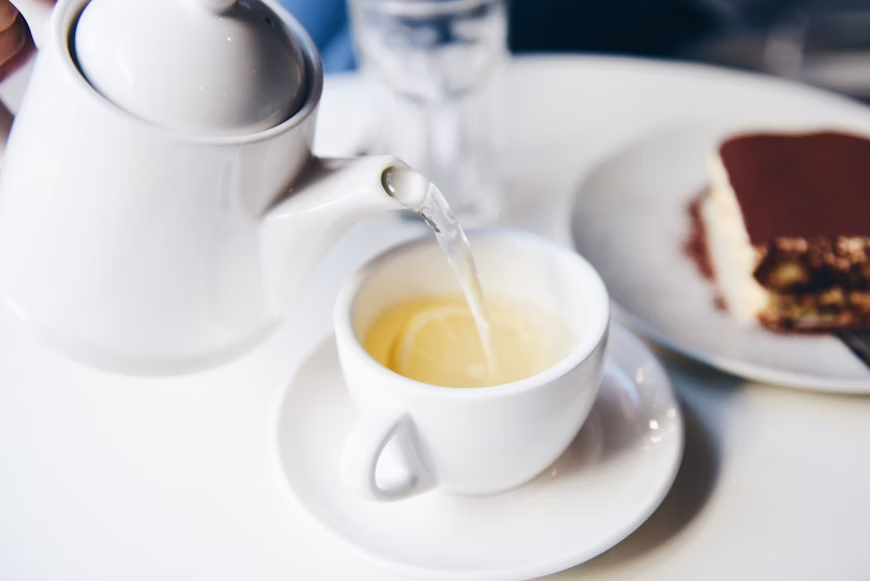
The tea leaves are picked when they’re young buds or fresh, young leaves, then dried without heavy rolling or roasting. Because of this, they hold onto their natural, delicate flavor. When brewed, the cup often has a slight yellow-green tinge, almost glowing in the light. The taste profile leans mild, with a sweet flavor that never gets sharp.
It's the kind of tea you reach for when you want something easygoing; mellow enough to relax with, but still carrying a touch of caffeine to keep you awake.
Making White Tea: Steps Anybody Can Do
White tea is easy to make once you get the hang of it.
- Measure the leaves.
A couple of teaspoons for each cup is a good place to start. If you like a stronger cup, add a pinch more next time. - Heat the water.
Bring your kettle close to a boil, with about one cup of water for the 2 teaspoons, then let the water cool for a short minute. Water that’s too hot can flatten the taste, and you don't want to pour boiling water over the delicate tea leaves, as they can scorch and make it bitter. - Steep the tea.
Drop the leaves into a teapot or tea ball and pour the hot water over them. Let it sit for three to five minutes. Try a sip partway through and if it already tastes good to you, you can stop early. - Warm the cups.
Swirl a splash of hot water in each cup before pouring. It’s not required, but it keeps the tea warmer. - Pour and enjoy.
Strain, serve, sip, and enjoy. Most drink it plain, though honey or lemon are common, and some people even add milk. On warmer days, try chilling it with fruit for an iced version.
Tips for Brewing the Perfect White Tea
Choosing the Right Water Source
Water matters as much as the tea leaves. Avoid tap water sourced from wells, or water transported through copper pipes, because both can add adverse water flavors. Tap water is fine as long as it has a neutral flavor. Spring water or filtered water is best. They keep the taste neutral so the subtlety of white tea stands out.
Use the Right Teaware
A glass or porcelain tea pot works best. Metal can sometimes affect taste. A tea ball is handy, but if you’re brewing high-quality loose-leaf white tea, letting the leaves float freely in a pot often brings out a more delicate flavor.
Experiment With Steeping Time
No two brews are the same. Even the same tea leaves can shift flavor if you change temperatures or steeping times.
Start on the lighter end, then push it longer to see how the taste profile changes. Some people even enjoy a stronger tea made from white leaves steeped for 7 minutes.
Tea Storage
Store your tea away from light and moisture. A tin or sealed jar is better than a paper bag. Good storage keeps your tea buds fresh and keeps every cup tasting like a good, quality tea.
Types of White Tea
White tea isn’t just one thing. It comes in a few main styles, and within those, you’ll find plenty of loose-leaf tea options. These are your basic white teas and some variations you might see in a tea shop online:
- Silver Needle Tea: Made only from the young buds, this is often seen as the most premium tea in the white family. It makes a pale cup with a light, sweet taste that feels gentle and easy to sip.
Nelson’s Tea carries versions like classic silver needle, jasmine silver needle, and even a white moonlight that puts a slightly different spin on the same young buds. - White Peony: This tea mixes buds and young leaves, which makes it a stronger tea compared to silver needle but still smooth with a sweet flavor.
Options you’ll find include the traditional white peony and a white peony king which brings a little more depth. - Tribute Eyebrow and Other Traditional Styles: Harvested later from more mature leaves, Tribute Eyebrow offers a bolder cup. Shou Mei is another kind of white tea, a little earthier in taste and usually priced lower, so it’s one people often keep around for daily cups.
- Flavored White Teas: Beyond the classics, you’ll see blends where white tea is mixed with fruits or flowers.
Nelson’s carries choices like blueberry white, pomegranate white, and other seasonal twists. Flavored blends keep the gentle character of white tea but bring in hints of fruit or flowers that make each cup a little more fun.
Some lean light and floral, others tilt fruity or a bit bolder, so there’s plenty of room to find one that actually fits your taste. Trying a mix is the best way to discover which one fits your taste preference.
History and Origin of White Tea
White tea got its start in China, in Fujian province, where farmers noticed that the youngest buds of the camellia sinensis plant gave a softer flavor than older leaves.
Instead of roasting or rolling them, they kept the process simple. The young leaves were sun-dried, kept whole, and then brewed.
At first, this kind of tea wasn’t common; it was an expensive tea, often given as a gift to emperors or shared at celebrations. The story goes that people valued it not just for the taste but for the purity.
Today, you don’t need to be royalty to enjoy it. You can find Chinese white tea in loose-leaf form at shops around the world. And even though it’s easier to buy now, that same sun-dried tradition still shapes the sweet taste that makes it stand out.
What’s the Difference Between White, Black, Green, and Oolong Teas?
All these teas come from the same tea leaves of the Camellia sinensis plant. The difference is in how they’re handled after picking.
- White tea is barely touched — the leaves are sun-dried, which helps prevent oxidation naturally.
- Green tea is heated quickly to lock in its color and prevent oxidation, which gives it a fresh, grassy flavor.
- Oolong tea is in between. It’s partially oxidized, so the taste can swing anywhere from floral to nutty.
- Black tea is fully oxidized and has a darker color and a bold, malty edge.
These types of tea differ significantly in caffeine and flavor. White tea is delicate, green tea has a brighter snap, oolong is layered, and black tea is strong. Now that you know these differences, it should make it easier to decide between black tea or green tea when you want something bold, and white tea when you want something gentle.
What Makes White Tea Worth Trying
White tea sits in a sweet spot… pun totally intended! It’s not as bold as some people find black tea to be, and it doesn’t carry the sharp edge of green. Loose-leaf white tea leans softer, with a mild sweetness that works any time of day. Some people keep it as their afternoon cup, others like it in the evening when they want something lighter. Part of that smoothness comes from how it’s picked. Farmers look for the youngest buds and leaves. It takes more effort to gather, but the result is worth it.
Not every sip has to wake you up. Sometimes it’s nice just to enjoy tea that goes down easy.
Frequently Asked Questions
Does white tea contain caffeine?
Yes, but not as much as darker teas. A cup of white tea usually has less caffeine than black tea, making it a lighter choice if you’re sensitive.
How should I brew white tea for the best flavor?
Use loose-leaf white tea, heat water to the right range, and steep for 3–5 minutes. Taste at the one-minute mark and adjust. That way you can easily find your taste preference.
Should I use loose tea leaves or tea bags to make white tea?
Loose leaves usually give you a better experience when drinking tea. Bags can brew fast, but they don’t always capture the delicate flavor of young buds.
Can I reuse white tea leaves?
You can, and many people do multiple steeps, though the max suggested is 2 to 3 times. Each steep tastes a little different, which makes it fun to play around with.
Conclusion: Brewing Simplicity in Every Cup
White tea proves you don’t need much to make something good. A few tender leaves, hot water, a little patience — that’s all it takes. The result isn’t a heavy, stronger tea meant to jolt you awake. It’s softer, smoother, with a sweet edge that feels easy to sip.
If you want to try it for yourself, Nelson’s Tea has plenty of loose-leaf white tea, from silver needle to blends with fruit. You can stop by their tea shop in Indianapolis or order online. Either way, you’ll find something worth pouring into your next cup.
These statements have not been evaluated by the Food and Drug Administration. This product is not intended to diagnose, treat, cure, or prevent any disease.