
Managing blood sugar often comes down to everyday habits: what you eat, how you move, and even what you drink between meals. For many people with diabetes, choosing between sugary drinks and unsweetened teas feels like a small decision that can have long-term consequences. That’s why green tea is frequently mentioned in conversations around blood sugar control and overall health.
But which green tea is good for diabetes? Does drinking green tea actually help with blood glucose levels, or is it just hype? In this guide, we explore whether green tea may support diabetes management, how it compares to other teas for diabetes, and what the science really says.
Green Tea for Diabetics: What Is It?
Green tea actually comes from the same plant as black tea and oolong tea (Camellia sinensis). but with minimal oxidation, preserving compounds that may support blood sugar control and insulin sensitivity. That’s probably why those with diabetes make it a point to drink green tea as part of staying healthy.
A U.S.‑based review in Diabetologia found that swapping out sugary drinks with unsweetened tea, like good ol’ green tea, could cut down the chance of developing type 2 diabetes by as much as 25% when you compare it to those sugary drinks.
Research is also pointing out that green tea might help drop fasting glucose levels a little, which is important for keeping blood sugar in check.
Laboratory studies suggest that some compounds in green tea extract, such as the amino acid L-theanine, may support glucose uptake and help improve fasting glucose and A1C levels, according to Marilyn Tan, MD, associate professor of medicine and endocrinologist at Stanford Health Care in California. However, more research is needed to confirm these effects.
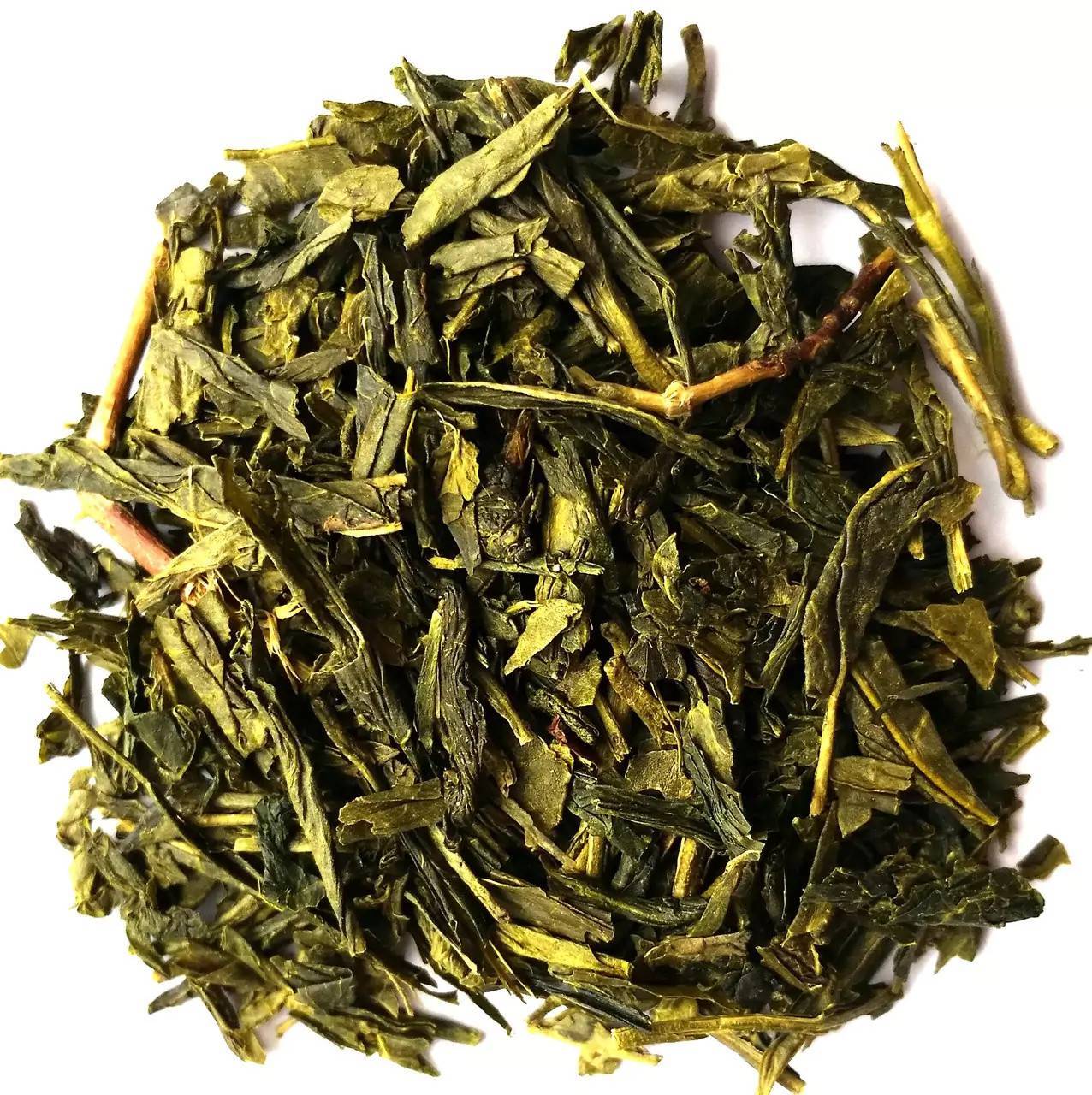
How Green Tea Affects Blood Sugar Levels
Drinking green tea regularly can help with blood glucose control, especially when you mix it with a nutritious diet and keep active. Plus, swapping out sugary drinks with green tea can make a difference in managing blood sugar.
Role of Catechins and Antioxidants
Green tea has a high amount of catechins, which are a type of antioxidant. They might help kick down oxidative stress, boost insulin sensitivity, and keep blood sugar in check. Green tea can also fight inflammation and can help with your metabolism, making green tea a solid choice to add to your daily routine.
It's true that drinking tea isn’t a stand-in for your typical diabetes meds, but it can help alongside other strategies to lower blood sugar levels.
Green Tea and Insulin Resistance
Insulin resistance is a major factor in developing diabetes. If you drink green tea on the regular, it might help your body get better at responding to insulin, which is kind of essential for managing high blood sugar. So, if you can, make green tea consumption a part of your daily habits. It can help control blood sugar levels, lower blood glucose, and improve how well your body responds to insulin.
It’s not a magic fix for diabetes, but it’s a safe and healthy addition for anyone trying to lower blood sugar levels in a safe manner.
Case study: A clinical trial with type 2 diabetes patients showed that consuming green tea (different amounts per day) improved body weight, BMI, waist circumference, and blood pressure compared with controls.
Benefits of Green Tea for Diabetics
Green tea offers multiple potential health benefits for people with diabetes.
- Blood sugar regulation: With regular consumption of green tea, you can have a decreased blood sugar level, increased blood glucose regulation, and increased insulin sensitivity, which can help with the management of diabetes and lessen insulin resistance.
- Weight and body composition: Regular tea drinking may benefit weight reduction and improve the distribution of body fat. This can help reduce around 13-49 percent body fat and support blood sugar regulation.
- Cardiovascular fitness: Green tea and other diabetes teas may lower cholesterol and systolic blood pressure and lower the risk of developing heart disease.
- Caffeine-free alternatives: Most herbal teas, such as hibiscus tea, chamomile tea, and rooibos tea, are some alternatives that do not have caffeine but have other useful effects.
- A range of herbal drinks: Drinking ginger tea, cinnamon tea, turmeric tea, peppermint tea, or sour tea as a part of a tea routine might also enhance the management of blood sugar and general control of diabetes.
- Swap sugary drinks: Replacing sugary drinks with unsweetened teas is a simple, sustainable action for individuals with diabetes to enhance blood glucose management.
The quality of the green tea extracts matters when it comes to their benefits. So, it's better to purchase from trustworthy sellers so you can buy bulk loose-leaf herbal tea for daily consumption without worrying about the quality.
How Much Green Tea Is Safe for Diabetics?
So, when you think about how much tea you should drink to help manage blood sugar, remember one thing: safety's just as crucial as any health perks you might get. The FDA says most healthy individuals can have up to 400 mg of caffeine a day, which is about 7-8 cups of green tea. But everyone's different, so the total number of cups might change from person to person.
If you've got diabetes, having a couple of cups, like 2 or 4 a day, should be fine, especially if you’re swapping out sugary drinks. But going overboard with tea, like 8 cups or more, can lead to consuming too much caffeine, making you all jittery, or it can also affect your sleep cycles. It's probably a good idea to have a conversation with your doctor about what's best for you and your tea intake.
In the end, drinking green tea in moderation can help keep blood sugar levels in check. It's better if you use green loose-leaf tea instead of the bagged ones so you can keep a check on the quantity of tea you're consuming. Just remember, it should be part of a well-rounded plan for managing diabetes without pushing the caffeine limit too far.
9 Best Teas to Drink for People With Diabetes
The right teas for diabetes can help with blood sugar control, increase insulin sensitivity, and provide health benefits. With so many tea options out there, and even before you buy bulk loose leaf tea, take a look at the different types of tea available in the market:
1. Chamomile Tea
Chamomile tea is a mild herbal tea that embodies some of the most soothing properties. Research shows that this tea can promote better blood sugar levels and lower oxidative stress. It has no caffeine in it, and so it can be a part of your lifestyle. Chamomile tea additionally helps with managing blood glucose and may work in tandem with different diabetes management practices.
2. Ginger Tea
Another herbal tea that might help lower blood sugar levels and improve insulin sensitivity is ginger tea. Ginger tea can be a natural addition to your tea regimen for blood sugar regulation and glycemic control. It helps in bringing down inflammatory markers as well, thus providing health benefits to people with diabetes.
3. Hibiscus Tea
Hibiscus tea is another tart beverage that is naturally caffeine-free. Hibiscus tea can reduce blood sugar levels and help control blood pressure, which is necessary for diabetic patients who are prone to developing cardiovascular disease.
4. Rooibos Tea
Naturally caffeine-free and packed with antioxidants, rooibos tea is a fantastic choice. If consumed regularly, it may provide you with better blood glucose control, help with insulin sensitivity, and may be able to help with oxidative stress.
5. Peppermint Tea
Peppermint tea is an aromatic, refreshing herbal tea that does not require sweetening. Peppermint tea might help regulate your blood sugar levels, making it helpful for diabetics. Furthermore, it is completely free from caffeine and aimed at improving insulin sensitivity.
6. Green Tea
Green tea is loaded with catechins that may reduce blood glucose levels, increase insulin sensitivity, and promote glycemic control. This is an effective daily drink to incorporate into your tea routine, especially if you want blood glucose support or to manage your weight.
7. Black Tea
Black tea is a caffeinated tea that may help enhance insulin sensitivity and blood sugar regulation. Regular black tea intake may not only aid in diabetes management by helping blood glucose control but also provide cardiovascular health support. Those who consume regularly can go for purchasing loose-leaf black tea in bulk to ensure a fresh supply everytime.
8. Turmeric Tea
Turmeric tea is high in curcumin, which can help manage blood sugar levels and fight inflammation. Using turmeric tea as a therapy for diabetes is one way to increase insulin sensitivity, glycemic control, and oxidative stress reduction.
9. Cinnamon Tea
Cinnamon tea is also found to reduce blood sugar levels, and it aids in glycemic control. Cinnamon tea, when combined with other lifestyle techniques for supporting diabetes, holds the potential to improve insulin sensitivity and assist with blood sugar regulation.
Make a point to buy your tea only from a reliable provider, as they offer not just good-quality products but also sell bulk herbs and spices that are good for diabetes management.
Possible Side Effects and Risks
Green tea and some herbal teas can help manage blood sugar, but they come with their own downsides as well. If you drink a lot or mix it with other substances, green tea could cause side effects or interfere with your medications. Be aware of these risks:
- Caffeine effects can still occur. Even though green tea contains less caffeine than coffee, it might still cause insomnia, nervousness, or an increased heart rate in sensitive individuals.
- There are also gastrointestinal effects. Some people experience nausea, stomach pain, or acid reflux after consuming green tea on an empty stomach.
- Green tea can also interfere with medications, as per experts. Compounds in green tea can interact with blood thinners, stimulants, iron supplements, or certain psychiatric medications, potentially altering their effectiveness.
- Consuming excess amounts of green tea may reduce iron absorption. For individuals with anemia, consuming green tea around meals or supplements may worsen the condition.
If you notice persistent adverse effects, it is advisable to stop consuming the tea and consult your doctor.

Who Should Avoid or Limit Green Tea?
Even though brewed green tea is usually fine for most adults, some individuals should be cautious about how much they consume.
- If you are taking certain medications, especially blood thinners or stimulants, it is advisable to exercise caution.
- For individuals with anemia, green tea can interfere with iron absorption.
- If you are sensitive to caffeine, even a small amount of green tea may affect sleep or cause anxiety..
- Pregnant or nursing women should limit caffeine intake and consult a healthcare professional.
- Individuals with acid reflux or a sensitive stomach may need to avoid green tea.
- Always consult your healthcare provider for guidance appropriate to your health needs
Tips for Drinking Green Tea Safely With Diabetes
For managing diabetes while enjoying green tea, consider preparation, timing, and moderation to obtain benefits while minimizing risks. Here are a few things you can try:
- Consume unsweetened teas to avoid blood sugar spikes.
- Drink green tea with meals to reduce gastrointestinal effects and support nutrient absorption.
- Monitor total caffeine intake from all sources, and avoid excessive consumption late in the day to prevent sleep disturbances or increased heart rate.
- If taking medications, particularly blood thinners or iron supplements, consult a healthcare professional regarding optimal timing of tea consumption to prevent interactions.
- Observe how your body responds to green tea to determine what is most suitable for you.
- If caffeine is problematic, consider decaffeinated or herbal teas such as chamomile or hibiscus as alternatives.
- Maintain adequate hydration by drinking water in addition to tea.
Before making significant dietary changes, consult your healthcare provider. If you have other conditions or are taking diabetes medications, obtaining personalized advice is essential for managing blood sugar effectively.
Final Thoughts
Green tea is actually a pretty solid choice if you are looking to manage diabetes. It can help keep blood sugar levels in check and might even boost insulin sensitivity while promoting good health. Going for high-quality, unsweetened options like green tea, chamomile, hibiscus, or rooibos can let people with diabetes sip on something tasty while also keeping glycemic control in mind.
At Nelson’s Tea, we have premium loose-leaf tea options. From classic black and green teas to herbal and caffeine-free blends, we have got it all. They’re designed to taste great and pack real health benefits too, so you will get the best of both worlds. So, check out our collection! Plus, if you're in the USA and order more than $49, shipping is on us! So, go ahead and buy your favorite tea today!
Frequently Asked Questions
Does green tea lower blood sugar?
Yes, green tea can help with lowering blood sugar levels because it contains catechins and antioxidants that support blood glucose control and improve insulin sensitivity in diabetic people.
Can diabetics drink green tea daily?
Yes. If you have diabetes, you can take around 2-4 cups of tea daily. It can safely support blood sugar management, especially if you are replacing sweetened drinks
Is green tea better than black tea for diabetes?
Both teas have their own benefits, but green tea is better compared to black tea, as it contains antioxidants and catechins, which are essential for diabetes management. Black tea can also help with glycemic control.
Which tea removes sugar from the body?
No tea literally “removes sugar,” but green tea, hibiscus tea, and chamomile tea can support blood glucose control and blood sugar regulation and reduce spikes after meals.
How many cups of green tea a day to lower blood sugar?
You can have around 2-4 cups of tea daily to regulate your sugar levels. Too much tea consumption can lead to serious side effects, so it is better to have green tea in moderate quantities.
These statements have not been evaluated by the Food and Drug Administration. This product is not intended to diagnose, treat, cure, or prevent any disease.