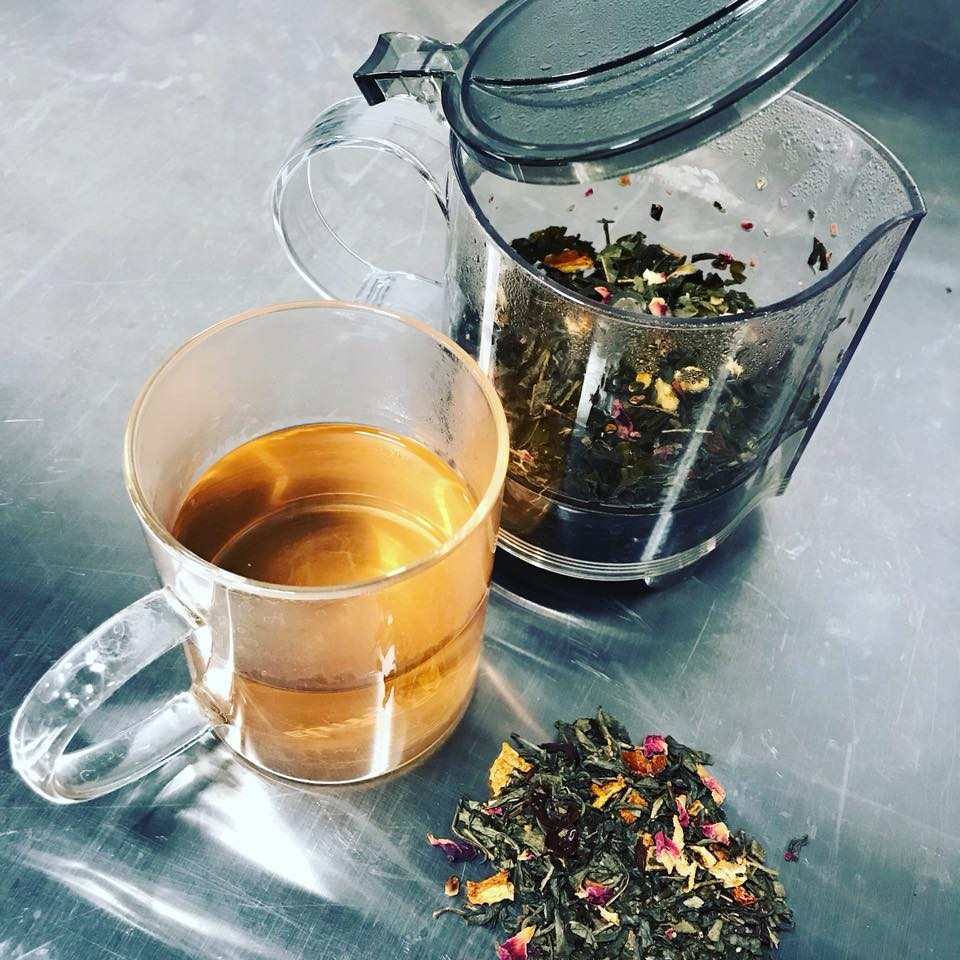
There’s something almost grounding about a good cup of tea. How hot tea unfurls itself in steam, the sustained beat of silence that visits you just before the first sip. It’s a small break embedded in the day, and sometimes that is enough to make you just a little bit human.
But tea isn’t just one type. If you’ve ever wandered down a tea aisle, you know it can feel like a whole world tucked into a few shelves. Among all those tins and tea bags, organic tea stands out. It’s gained a loyal following for good reason; people love it for the taste, the ritual, the many benefits, and the way it fits so easily into everyday life.
Join us as we “unbag” the secrets behind organic tea.
What is Organic Tea Exactly?
At its most basic level, organic loose-leaf tea is made from tea leaves that come from the Camellia sinensis plant; however, these are cultivated without synthetic pesticides or fertilizers, and no “unnatural” harmful chemicals have been applied. That may seem like a mundane detail, but it alters quite a bit. Rather than making plants grow faster or bigger using outside substances, organic tea farmers concentrate on building healthy soil that naturally grows strong plants.
Organic farmers depend on approaches such as rotating crops, reduced tillage, using cover crops, natural pesticides, composting, even hand weeding, and other techniques that work with the land instead of stripping it. That matters because tea plants are delicate. Because when their world is clean and balanced, the tea they make tends to have a cleaner taste and a more complex aroma — with fewer unwanted extras steeping into your cup.

Types of Organic Tea
The world of loose-leaf tea is vast, each with its own flavor, aroma, and story. Below are some of the most common types of organic teas you can find, though there are many more.
Green Tea
Green tea is usually the first stop for a lot of people. It has that clean, earthy flavor that somehow manages to be both grounding and light. Organic green tea's flavor can change, depending on where it’s cultivated (grassy to sweet), but there is always an uplifting aspect to it that makes you smile. For some, it’s what they drink to start their day when they don’t want to turn to coffee; for others, it’s what they might use in the middle of the afternoon, when everything else is still rushing by but you’re dragging.
Black Tea
Organic black tea is the one people lean on when they want something that actually tastes like something. It’s bold without being harsh, smooth without being boring. The flavor is deeper and warmer, with that slow kind of strength that carries you through the morning. Some people dress it up with milk and sugar. Others keep it plain. Either way, it has a way of settling in, like an old friend who doesn’t need to say much to make you feel better. It’s the tea people reach for when they want a lift without the caffeine roller coaster that comes with coffee.
Matcha Tea
Matcha is a whole experience, not just a refreshing beverage. Instead of steeping a bag and walking away, you’re whisking bright green powder of ground tea leaves into warm water, watching it turn frothy and smooth. It has a grassy, slightly sweet taste that surprises people the first time they try it. Organic matcha doesn’t hit like coffee. It’s slower, steadier — more like turning up a dimmer switch than flipping on a light, and is perfect for the kind of morning when you want focus but not frenzy.
Herbal Teas
Herbal teas are the soft landing at the end of a long day. They don’t come from the tea plant at all, but from herbs, flowers, and fruits that bring their own comfort. Chamomile is like a deep breath. Peppermint wakes up your senses without revving the engine. Lavender smooths out the edges of a noisy day. Most organic herbal teas are naturally caffeine-free, which is why they tend to show up when everything else is finally quiet — late evenings, low lights, that slow moment where you actually exhale and let the day drop away.

Possible Health Benefits of Organic Teas
Organic tea has a way of working quietly in the background. One cup won’t change your world, but regular consumption may swing the pendulum one small notch.
Supports Overall Health and Well-Being
For many people, this is where the appeal of organic tea starts. It’s an easy way to bring something simple and good into the day without making it feel like a chore. A warm cup is a gentle tap on your shoulder to slow down, hydrate, and breathe. Antioxidants in the leaves help our bodies deal with some of the inevitable daily routine of wear and tear we experience in our daily routine.
Boosts Immune System
Tea has a natural way of supporting the immune system without needing a spotlight. The plant compounds found in organic tea are like quiet helpers, reinforcing your body’s defenses. Antioxidants and polyphenols help keep the immune response balanced and ready, and since the leaves aren’t raised with other chemicals, more of those natural compounds remain from farm to cup.
Aids Digestion and Metabolism
There is a reason people in so many cultures end a meal with tea. Herbal and green teas can gently support the digestive system, taking some of the edge off that too-full feeling and helping the body process what it’s taken in. The heat of the tea itself matters as well. You might find that warm liquids have calming effects on the gut and help move things along at an appropriate clip. That’s why a cup after a heavier meal often leaves one feeling less sluggish and lighter.
Promotes Brain and Heart Health
There’s a certain clarity you get from maintaining a steady tea habit. Caffeine in tea makes its entrance more gently, providing energy without the spike and crash that coffee can induce. A smoother lift like this can keep focus sharp while allowing your nervous system to remain calm. Many teas gently support circulation and heart health as the plant compounds help keep blood pressure in a healthier place, which gives both the heart and brain a little extra care.
Drinking tea on a daily basis will make lasting changes to the way your body feels — balanced and clear.
Encourages Restful Sleep Quality
Some organic teas, particularly those made with herbs like chamomile and lavender, help the body slow down when the day is over. Their relaxing influence can literally silence the nervous system, making it easier to fall asleep and stay that way.
A cup at night is part of how the body learns to shift into sleep mode. The kettle starts to hum, your turn the lights get softer, and the world just seems to quiet down just enough to hear yourself breathe. Wrap your hands around the cup, lean into the warmth, and everything in your body starts to understand that it’s time to rest, inviting in sleep.
Choose Organic Tea from Nelson's Tea
Tea has a calming effect on everything. The heat, the smell, the slow draw of flavor — it’s a small thing, but one way of reducing stress and perhaps benefiting health. And if the leaves come from clean, careful organic production, the antioxidants are still rich and the flavor lands richer.
At Nelson’s Tea, every blend is chosen with intention. We partner with organic growers and wholesale tea suppliers that are committed to the environment. White tea, black tea, green tea, organic teas, or herbal loose-leaf tea blends — any of them are great for fitting into everyday life.
Buy Nelson’s Tea and bring home blends you’ll actually want to brew.
Frequently Asked Questions
How are organic teas different from non-organic teas?
Organic tea starts with the soil. Farmers pay close attention to the ground itself, keeping it alive and balanced instead of just pushing for a bigger harvest. Crop rotation, healthy soil, and natural pest control are just some of the ways organic farmers shape how the leaves grow and how the tea tastes. When the leaves aren’t covered in sprays or mixed with additives, the flavor lands cleaner and brighter. A cup tastes like the plant, not the process.
Non-organic tea takes a more hands-on farming route. Farmers use approved fertilizers to feed the plants and keep them strong, and they protect the crop so that weather, bugs, and weeds don’t ruin the harvest.
Can pregnant women drink organic tea?
Some organic teas fit easily into a pregnancy routine, especially blends that are naturally gentle, like chamomile, rooibos, and peppermint. Those tend to be light on the stomach and don’t bring a rush of caffeine.
A quick check with your doctor or midwife is the best way to know which teas belong in your cup.
These statements have not been evaluated by the Food and Drug Administration. This product is not intended to diagnose, treat, cure, or prevent any disease.