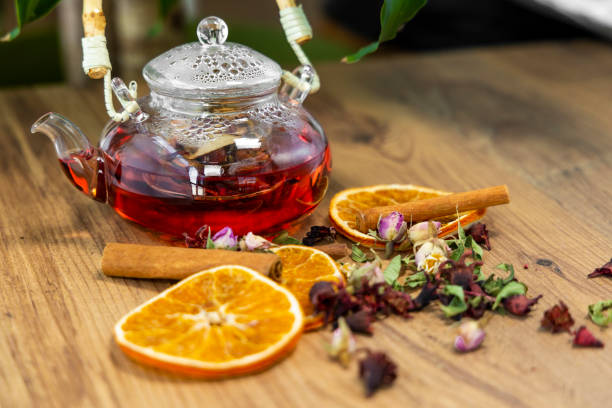
If you’re trying to feel a little better day to day, tea is a surprisingly solid place to start. It’s simple, comforting, and can taste amazing — all while bringing some important antioxidant properties that help protect cells from damage caused by free radicals, those unstable molecules your body is always dealing with.
Tea isn’t a cure-all, and it won’t cancel out a diet that’s mostly drive-thru and vibes. Still, as a daily habit, drinking tea is one of the easiest ways to add plant compounds linked to well-being. This guide covers what antioxidants in tea are, which types show up in different teas, and how to brew a cup of tea that pulls out the good stuff without turning bitter.
What are Antioxidants in Tea?
Antioxidants are compounds that help reduce oxidative damage by interacting with reactive oxygen species and free radicals. In short, they help protect cells from stress caused by unstable molecules.
Free radicals are part of normal life. Your body creates them during metabolism. You can also get more from things like pollution, smoke, intense workouts, or lots of sun. When free radicals build up faster than your body can manage, oxidative damage can increase.
That’s why it’s important to raise your antioxidant levels. They act like a support crew, helping your body keep that balance. Antioxidants also support the immune system by helping lower oxidative stress that can build up during busy, run-down seasons.
Tea is a standout because it’s an easy, repeatable source of these compounds. You don’t have to learn a new recipe. You don’t have to buy a blender the size of a small suitcase. You just steep leaves in hot water, and you’re done.
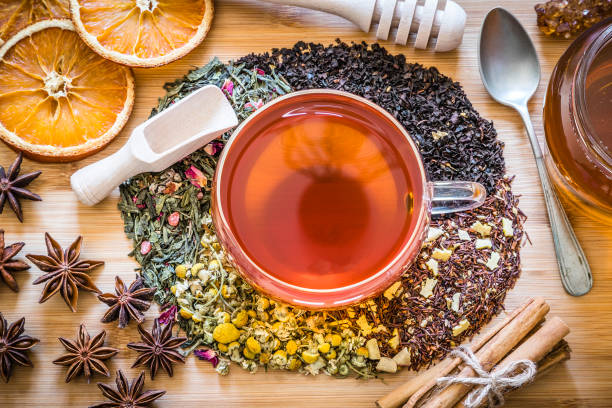
Types of Antioxidants Found in Loose-Leaf Tea
Tea has several antioxidant families, and each brings its own vibe to the cup. Some affect taste, color, and that “feels good” warm mug moment. Some get studied for things like cardiovascular health and chronic diseases. Researchers also study oxidative damage in connection with neurodegenerative disorders, which is why antioxidants get so much attention in long-term health research.
Catechins
Catechins are a big deal in green and black tea, especially in green tea. They’re one reason green and black tea get talked about so much in Food, Science, and Nutrition (Food Sci Nutr).
You’ll often see one catechin called EGCG mentioned. It’s heavily studied, and it’s a big part of why matcha is described as concentrated. Matcha is powdered green tea, so you’re consuming the leaf rather than just steeping and tossing it.
Catechins are also linked in research discussions to anti-inflammatory properties, which matters because long-term inflammation is one pathway tied to many chronic diseases.
Theaflavins
Theaflavins are antioxidants that form when tea leaves oxidize. That oxidation is part of how black tea gets its deep color and rich flavor. Black tea is the most-consumed tea across the planet. Theaflavins are often studied for their antioxidant properties, including how they interact with oxidation processes that can affect things like cholesterol particles.
Thearubigins
Thearubigins are antioxidants that form when tea leaves oxidize, which is the process that turns green tea leaves into black tea. These compounds help create black tea’s deep amber color and that smooth, full taste that feels “round” on your tongue.
They’re also part of black tea’s antioxidant profile, working alongside theaflavins. So when black tea looks darker and tastes richer, thearubigins are one reason.
Flavonols
Flavonols are another type of polyphenol found in tea. They show up across black and green tea, and even in oolong and white teas, depending on how the leaves are processed. Flavonols are part of why different teas can still offer several health benefits, even when they taste totally different.
How Tea Antioxidants Support Everyday Health
This is where we keep it real. Antioxidants don’t make you invincible. They help protect cells and lower oxidative damage. That support can matter over time, especially when your day includes stress, low sleep, and snacks that were not part of the plan.
Here are a few ways tea is studied in humans and why it’s worth making a cup or two a daily habit.
Reduced Risk Pattern in Long-Term Peer-Reviewed Studies
Observational studies can’t prove tea causes anything. They can show patterns, though, across huge groups of people over time. An NIH summary of a large UK Biobank analysis reported that people who drank at least two cups per day had a 9% to 13% lower risk of death compared with non-tea drinkers. That is a reduced risk association, not a promise. It still matters because it suggests tea can be part of a healthy pattern, especially when it replaces sugary drinks.
Focus and Mood Support From L-theanine and Caffeine
Tea has caffeine, but it also has L-theanine. That combo is one reason tea can feel smoother than coffee for some people.
In a controlled study, 97 mg of L-theanine combined with 40 mg of caffeine helped focus attention during a demanding cognitive task. If you want alertness without feeling like your brain is doing parkour, tea can be a nice middle ground. It can also be a good option when you want less caffeine than a big coffee, while still getting a lift.
Cardiovascular Health and Heart Health Markers
Tea research often looks at cardiovascular health, including markers related to blood pressure and cholesterol.
Hibiscus is a popular herbal tea in this conversation. A systematic review and meta-analysis suggested hibiscus “sour tea” consumption could have beneficial effects for glycemic status and blood pressure, with a trend toward improved cholesterol in the included trials.
This doesn’t replace medical care for heart disease. It does show why tea is more than flavored water.
If you’re managing cardiovascular disease concerns, are on medications, or have liver disease, it’s smart to talk with a clinician about your caffeine intake and any concentrated extracts. A brewed cup is not the same as a supplement.
Best Antioxidant-Rich Healthy Teas
There isn’t one best tea for every person. The best tea is the one that you’ll drink consistently and enjoy. Here are six teas that cover the big antioxidant bases and fit real life.
1. Black Tea
Black tea is bold, comforting, and easy to brew into a stronger tea without much effort. It contains antioxidants like theaflavins and thearubigins, which develop during oxidation.
If you like milk in tea, keep it light. If you want maximum antioxidant properties, many people prefer to enjoy it plain.
Black tea is also a good choice when you want steady energy without going overboard. It can feel like enough, especially if you’re trying to cut back on caffeine.
2. Matcha Powder Green Tea
Matcha is powdered green tea whisked into hot water. Since you’re consuming the whole leaf, you’re getting a concentrated dose of tea antioxidants, especially catechins like EGCG. Matcha can be a great option for focus days too, because tea naturally contains caffeine and L-theanine, a combo studied for attention and mood support.
If matcha feels intense, start small. Half a serving is still a win.
3. Hibiscus Tea
Hibiscus tea is brewed from Hibiscus sabdariffa plant and is bright, tart, and great hot or cold. Research reviews have examined hibiscus for blood pressure, blood sugar markers, and LDL cholesterol trends in trials. Hibiscus tea is full of flavonoids and anthocyanins, antioxidants that lower inflammation.
If you like iced tea, hibiscus is one of the easiest to love.
4. Oolong Tea
Oolong tea is a traditional Chinese tea that's a cross between green and black tea. That processing gives it a mix of antioxidant compounds, including polyphenols that support its antioxidant properties.
If you want a tea that feels special without being fussy, oolong loose-leaf tea is a great pick. It’s also a nice bridge tea for people who want something smoother than black but bolder than green.
5. White Tea
White tea is made from younger leaves that are picked, steamed, or fired, and then dried. Because it’s minimally handled, it tends to keep a good amount of natural antioxidants, including catechins. Some research has suggested that white tea contains the highest concentration of antioxidants compared to other teas, all with lower caffeine content as well.
Loose-leaf white tea can be a great choice if you want less caffeine. It still comes from camellia sinensis, but it usually feels lighter than black tea.
6. Rooibos Tea
Rooibos tea is caffeine-free and made from fermented leaves and stems of the shrub Aspalathus liners. It’s a great evening option when you still want flavor and warmth. Even without caffeine, rooibos still offers antioxidants, which is why it’s a popular evening choice when you want a warm drink that supports well-being. Rooibos tea contains aspalathin and nothofagin, which have been linked to improved glucose and fat metabolism.
If you’re shopping for a nighttime staple, loose-leaf rooibos tea is a cozy go-to. It pairs well with vanilla, citrus, chai-style spices, and even a little honey.
How to Brew Loose Tea Leaves for Maximum Antioxidants
Brewing is where you can quietly level up your tea without buying anything new.
Loose-leaf has an advantage because the leaves have room to expand, and water can move around them. In a published lab comparison, loose-leaf infusion extracted tea solids into the liquor more efficiently than teabag infusion, regardless of bag design or brewing method.
That doesn’t mean bags are bad. It means loose-leaf can give you more extraction when you brew it well.
Use Hot Water, Not Boiling
Hot water helps pull compounds out of tea leaves. Still, too much heat can make some teas taste bitter, especially green tea. A simple rule to remember is black tea likes hotter water, green tea likes slightly cooler water, and white tea usually likes gentle heat.
Longer Steeping Can Boost Extraction
Longer steeping generally pulls more antioxidants into your cup. That’s why many people say to steep for more than 5 minutes when you’re focused on benefits rather than quick sips.
The catch is taste. Long steeping can increase bitterness in some teas. For example, loose-leaf black tea can get a harsh taste if you steep it too long. Here’s a practical sweet spot for most people:
- 7 to 10 minutes for a benefits-focused brew
- shorter if your taste buds prefer lighter
Dial in Time and Temperature With One Easy Method
If you want a simple method that works across different teas, do this:
- Use 1 teaspoon of leaves per 8 ounces of water.
- Brew once with your usual time.
- Brew again with an extra 2 minutes.
- Choose the one that tastes good.
You’re balancing extraction and enjoyment. A cup you love and repeat beats a cup you force down once.
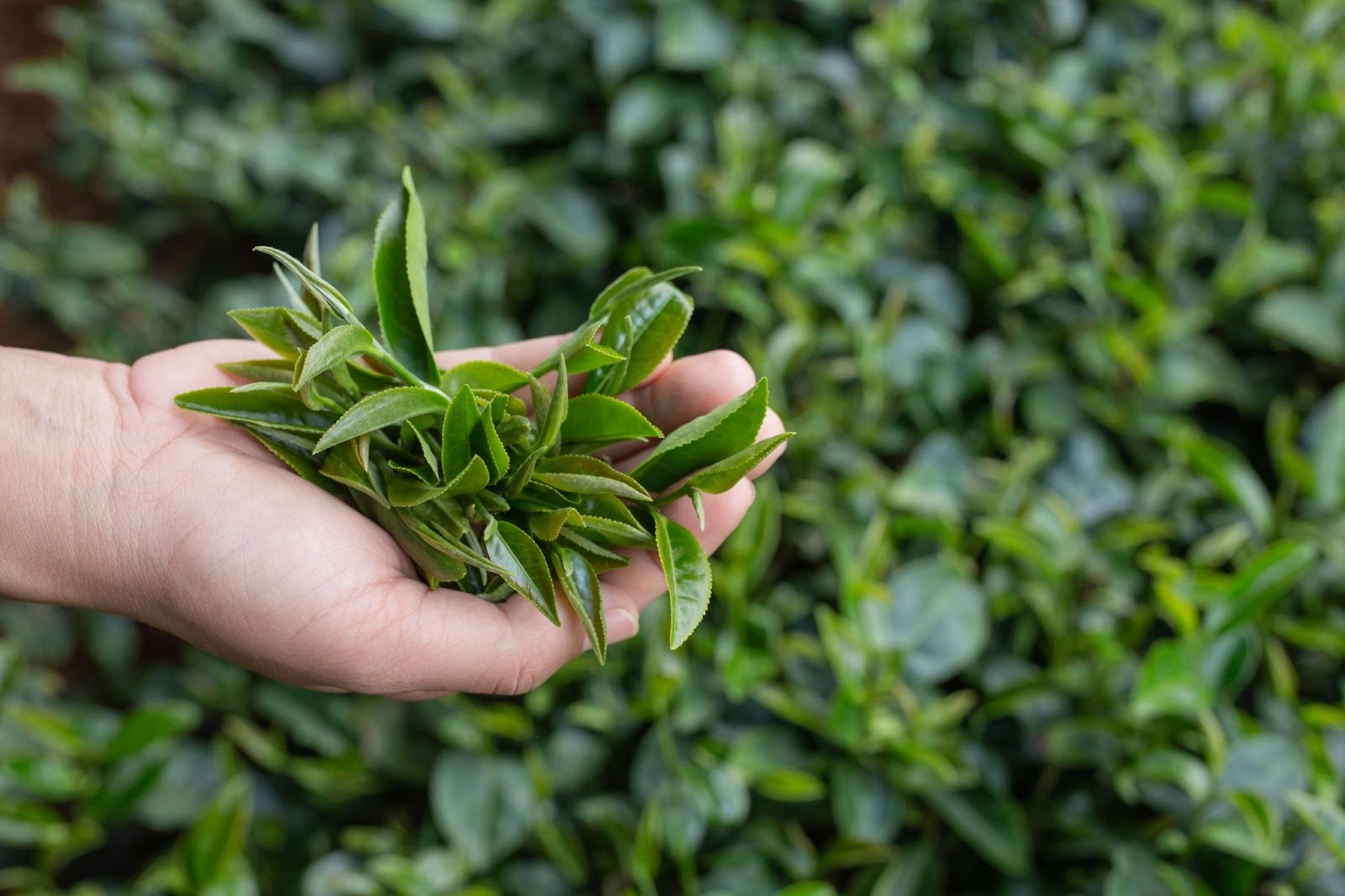
How to Maximize Antioxidant Intake From Loose-Leaf Tea
If you’re adding lots of sugar, you’re turning a healthy habit into dessert. That doesn’t mean sugar is banned. It just means it changes the health math. If you want tea for its antioxidant properties, keep it lightly sweetened or enjoyed plain.
Rotate your teas because different teas mean other antioxidant profiles. Black and green tea bring different compounds because of the processing. White tea is gentle. Oolong sits in the middle. Hibiscus and rooibos add variety without caffeine.
Rotating also helps prevent boredom, which is a very real reason routines fail.
If you want the most out of your tea, start with only high-quality sources. Old, dusty tea that tastes like cardboard won’t make you excited about a daily habit. Fresh tea that tastes good will. This is also where a classic loose-leaf tea can shine. When the base tea is good, you don’t need to cover it up with sugar, syrups, or heavy cream.
How to Add Antioxidant Tea to Your Daily Routine
You don’t need a complicated plan, just one you’ll actually incorporate and do. Here are some tried and true suggestions from Nelson's Tea.
Start With One Daily Anchor
Pick one time that is already part of your day — morning, mid-afternoon, or after dinner. Make that your tea time, even if it’s only five minutes. A consistent habit beats a perfect plan you never follow.
Choose a Tea That Fits Your Energy Needs
If you want focus, pick true tea made from camellia sinensis. That includes green tea, black tea, white tea, and oolong. They come from the same plant, just processed differently. If you want calm in the evening, go for naturally caffeine-free options like rooibos or hibiscus.
Keep it Interesting Without Making it Complicated
Variety helps you stick with it. A loose tea sampler makes it easy to rotate flavors without buying six full tins at once.
Already know what you love and drink it daily? Loose-leaf tea in bulk can be a great move. It’s cost-friendly, and you’re less likely to run out and fall back into soda mode. Weight loss goals can fit here, too. Swapping sugary drinks for unsweetened tea is a simple way to cut extra calories without feeling like you’re “on a diet.”
Shopping local can make tea more fun. Visiting tea shops in Indianapolis is a great way to sample blends and pick up quick brewing tips in person.
Sip Your Way to Better Health with Great Tea From Nelson’s Tea
Tea comes with numerous health benefits and is one of the few health habits that can feel like a treat and still support your body. It’s a steady way to add antioxidant-rich plants to your day, and it can be a smart swap for sugary drinks.
The best part is you don’t need to overhaul your life to start. You need one kettle, one mug, and a tea you like. Are you ready to build a routine that actually sticks? Shop Nelson’s Tea online, pick a tea that tastes good to you, and make it your daily go-to. Brew it well, keep it simple, and enjoy the benefits one cup at a time.
Frequently Asked Questions
What is the best loose-leaf tea for antioxidants?
The best loose-leaf tea for antioxidants is the one you’ll drink consistently, since regularly drinking tea is what builds a real routine. Black tea and green tea are both rich in antioxidants, just different types.
How much loose-leaf tea should I drink for health benefits?
Drinking 1 to 3 cups per day is a practical place to start for health benefits, depending on your caffeine tolerance. In observational research summarized by the NIH, people who drank two or more cups per day had a 9% to 13% lower risk of death than non-tea drinkers, which supports the idea that moderate tea can fit into a healthy pattern.
Are there any side effects of drinking too much tea?
Yes, drinking too much tea can cause side effects, mostly from caffeine. Too much caffeine can affect sleep, raise anxiety, or upset your stomach. If you’re managing heart disease risk, liver disease, or you take medications, check with a clinician about how much caffeinated tea is right for you.
Are herbal teas caffeine-free?
Yes, herbal teas are usually caffeine-free because they are not made from camellia sinensis. Rooibos and hibiscus are common, naturally caffeine-free options.
These statements have not been evaluated by the Food and Drug Administration. This product is not intended to diagnose, treat, cure, or prevent any disease.